Grab Iron Posts

Halloween Steam Train at the Northwest Railway Museum

Peggy Barchi

All Aboard the Halloween Train, October 25 and 26

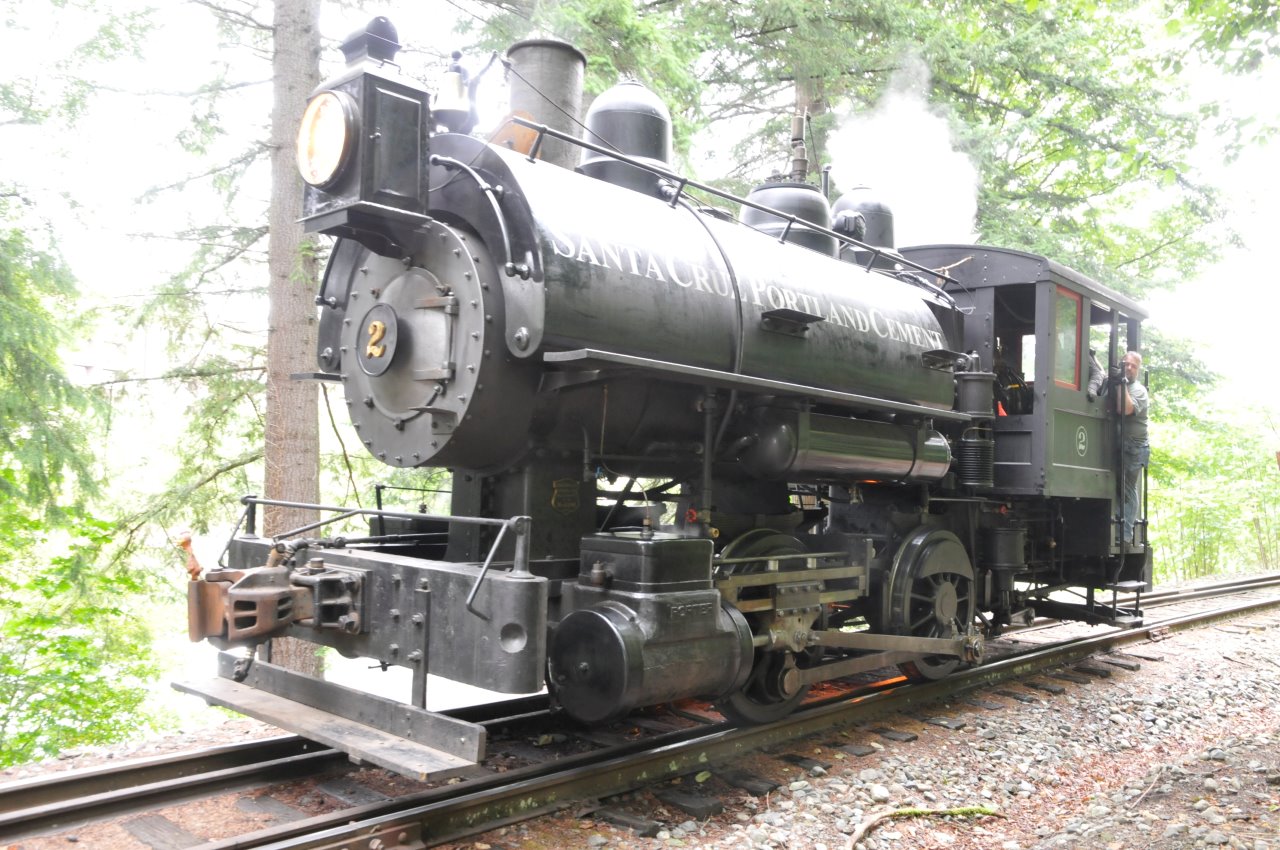
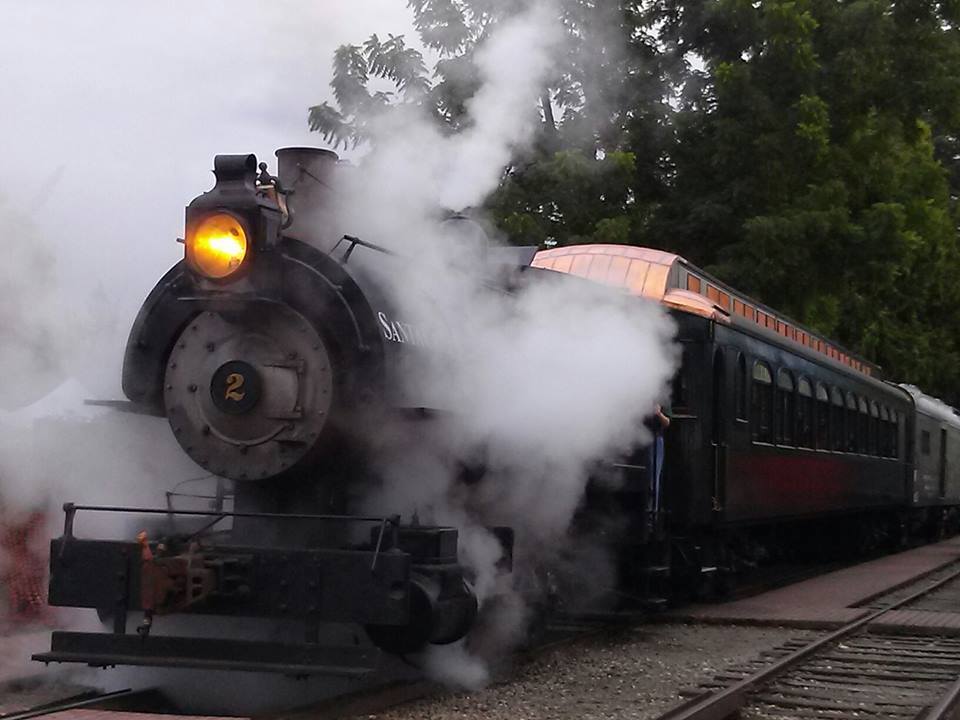
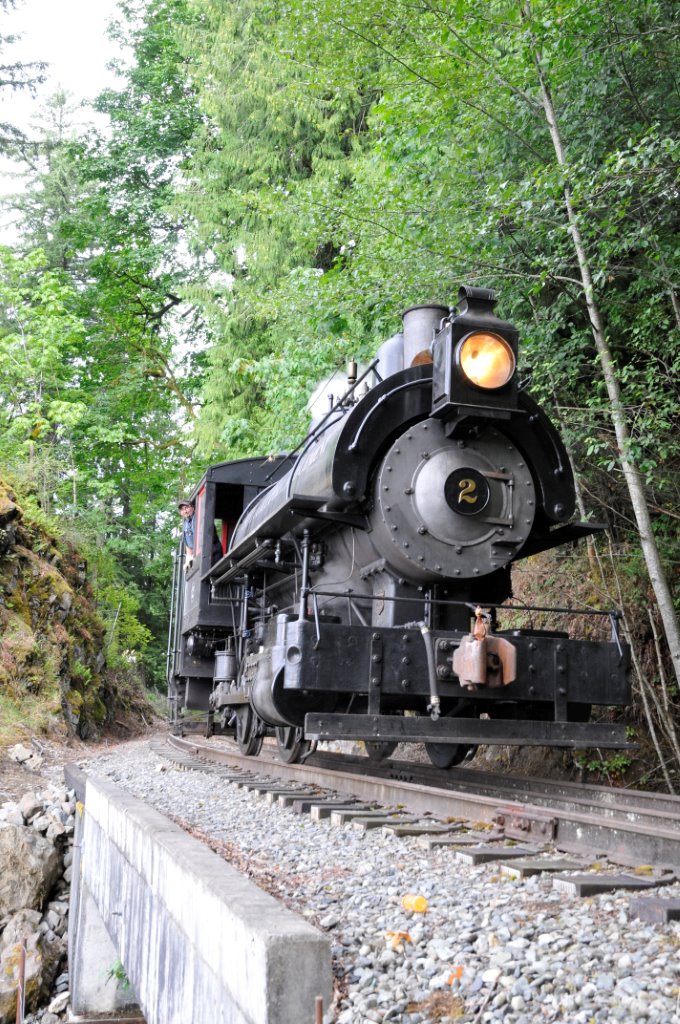
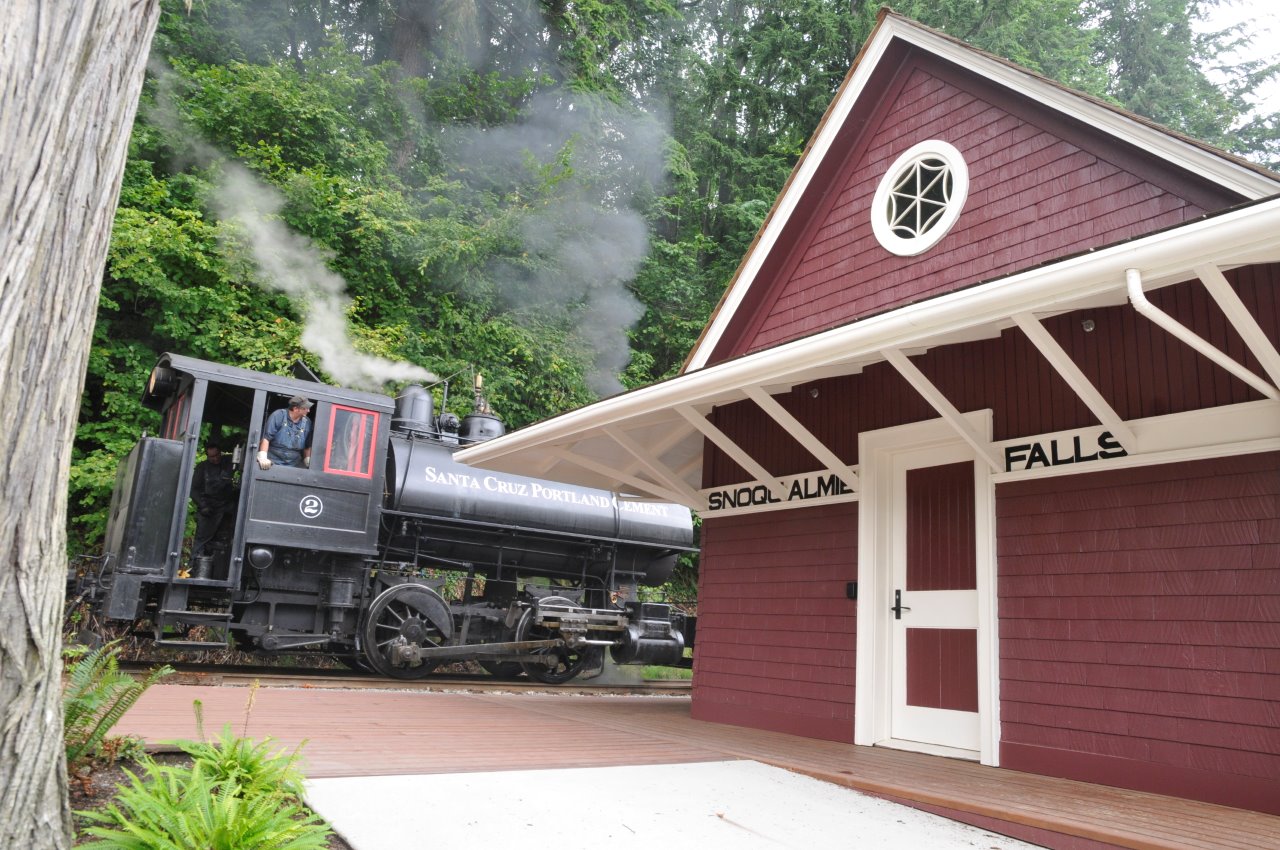
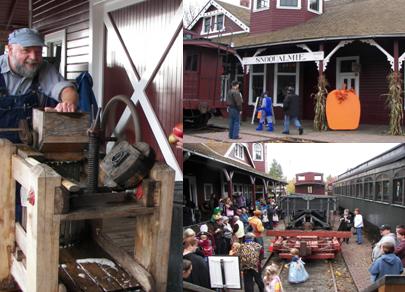
Looking for a Halloween adventure that’s fun for families? Then gather everyone, wear your favorite costumes and enjoy the fall festivities at the Snoqualmie Depot on October 25 and 26. Take a Steam Train with the 100+ year old Santa Cruz Portland Cement Co. #2 Steam locomotive. Check out the Cider Press demonstrations and even try your hand with one! Sip hot apple cider to banish the autumn chill as you enjoy your special Halloween trip. Afterwards, visit George’s Bakery in North Bend, show them your Halloween Train ticket and receive a FREE sugar cookie.

Halloween train montage NRM

The Halloween Train takes you on a scenic excursion through the Cascade foothills of the Upper Snoqualmie Valley aboard a vintage train. Receive $2 off when dressed in costume. Everyone dressed in full costume will receive a prize. Trains depart every 90 minutes beginning at 11:01 AM from the Snoqualmie Depot at 38625 SE King Street and at 11:26 AM from the North Bend Depot at 205 McClellan Street. Roundtrip fares: $10 children (ages 2-12), $18 adults (ages 13-61), and $15 (ages 62 and up)!

www.trainmuseum.org
www.railroaddays.com


Hi-Railers Attend Lynden; Next: Maple Valley

Ed Ives

The 4D Hi-Railers were mentioned on page 2 of The Bellingham Herald this week, next to an article regarding someone found guilty of embezzlement. I assure you these two are not connected.

We made it to Lynden on Friday in fine shape with set-up almost complete by 5:30 p.m., due in large part to Sam and his new (silent) red truck. Yes, it came with a muffler! He says the color is “sunset” but we call it red. We heartily congratulate Sam on his new truck. I hope he doesn’t mind the leg pulling we give him on it.

Running was made without major incident and no derailing, finger poking etc., that we sometimes get. Even the Kiddies layout came unscathed for most of the time. Teardown and pack up took just two hours, which meant that we were out of there before dark.

We are looking forward to the Maple Valley Train Show on October 18-19, from 10-5, the weekend after next. Set-up will be on Friday afternoon from 1 until done. I’d like to know who plans to attend set up and/or running so I can pass the numbers on to the organizers. As in the past, they will provide refreshments for each day, free of charge. For those of you that have never been there, here’s a Google map.


Seattle-North – Clinic Season Starts October 2, 2014

By Jeff Moorman

This Thursday (October 2) it is time to kick off the 2014-15 clinic season in North Seattle. We will still be meeting at the same place, but in a different room. Please review the “Directions” section below.

Bring along your tales of what you did (railroad-wise) this summer, any projects you’d like to share for Show & Tell, and one modelling tip. Hopefully it will be a tip we haven’t heard before, but regardless, there will be a prize for the best one we hear.

Our last regular meeting was back in May. And if you missed that you missed a classic Bobj presentation. As you may know Bobj seems to collect everything, including different brands of toilet paper and full size fire engines. Most of his collections are railroad related which he shares with us from time to time.

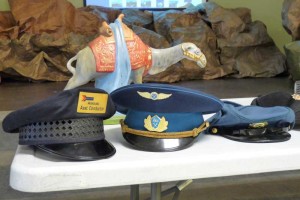
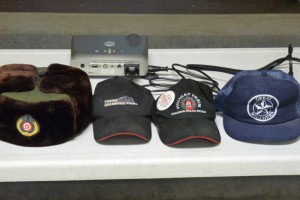
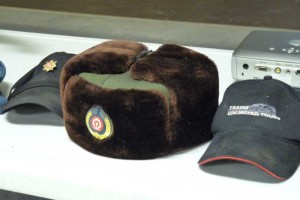
Bobj brought along what he claimed was a little less than half of his railroad hat collection. He then proceeded to tell a story (or two, or three) about each one. All were fascinating. Look at the included photos. Make up a story about any hat you see and it probably will not be half as good as the tale Bobj told.

Bobj's Hats 1

Bobj’s Hats 1

Bobj's Hats 2

Bobj’s Hats 2


Bobj's Hats 3


Thanks, Bobj, for sharing.

Directions: We meet at the Ronald United Methodist Church, 17839 Aurora Avenue North, Shoreline, WA. That is on the west side of Aurora (State Route 99) between 175th and 185th Streets and more specifically, between the Cadillac dealer on the south and Deseret Industries to the north. Going southbound on Aurora, make a right-hand turn into the church driveway immediately after passing the Deseret location. The parking lot is at the rear of the church. For regular meetings go up the steps to the main entrance. We meet in the Fireside room which is immediately to the left inside the door.

Meetings are the first Thursday of each month, usually September – June. However in June we often do something different, so there may be no “regular” meeting. Doors open at 7:00 PM and the program starts at 7:30.

Remember the next regular evening meeting is October 2. The one after that will be November 6. Hope to see you there or at least sometime on down the line.

Inaugural Mt Vernon NMRA Clinic Big Success!

Roger Johnson

The Mt. Vernon NMRA Clinics got off to a great start with 21 attendees, including several dignitaries from “down South:” PNR President Mike Highsmith, Ed and Ken Liesse, Bob Rohrbach, and Sherman Stevens. Such an honor to have them at our first clinic!

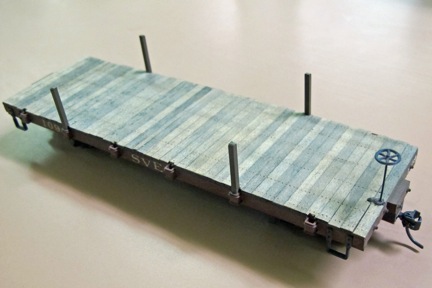
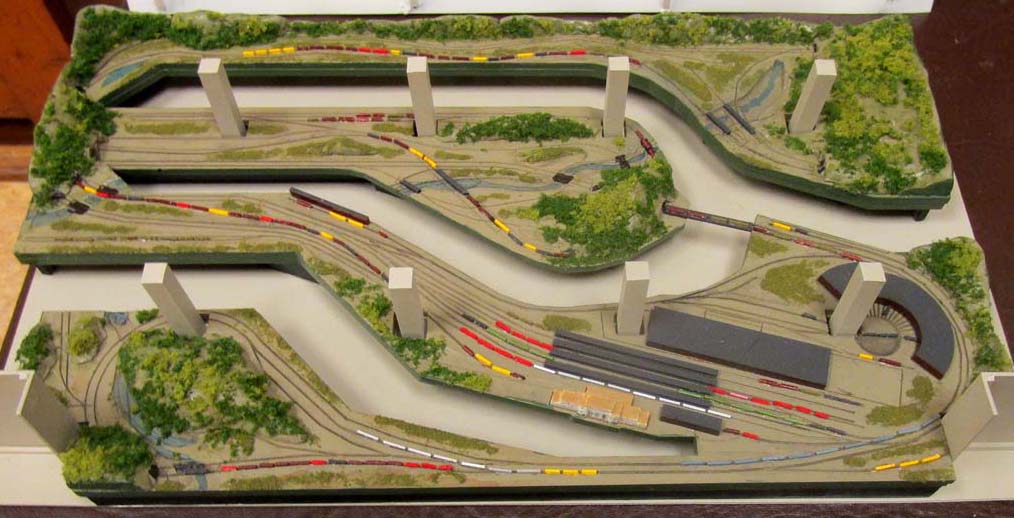
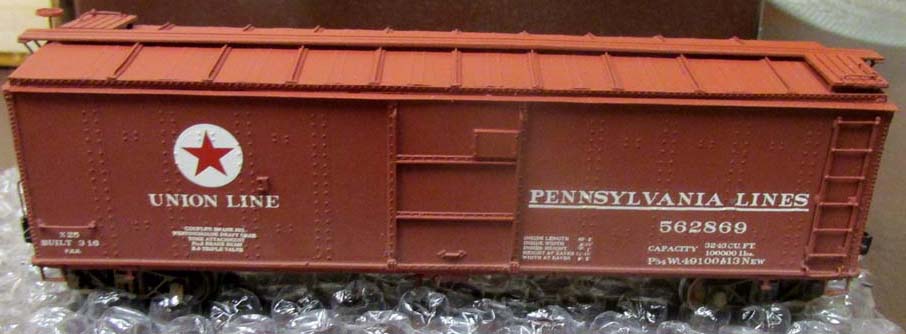
A “Show And Tell” segment included models from Nick Muff, Al Carter, Ted Becker, Mike Pettruzzelli, Roger Johnson, and Paul Koren. This is not a competition, but is designed to get folks to share their modeling projects and techniques and, in the process, hopefully discover new clinicians. Please see the photos below.

Nick Muff's 4300th scale layout

Nick Muff’s 4300th scale layout

Paul Koren's urethane box car

Paul Koren’s urethane box car


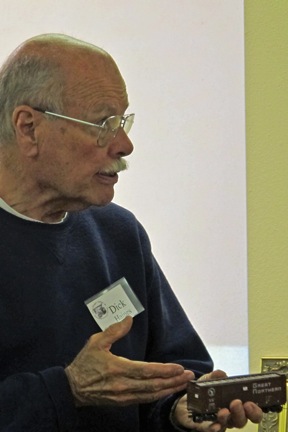
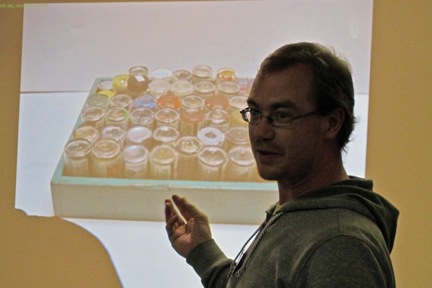
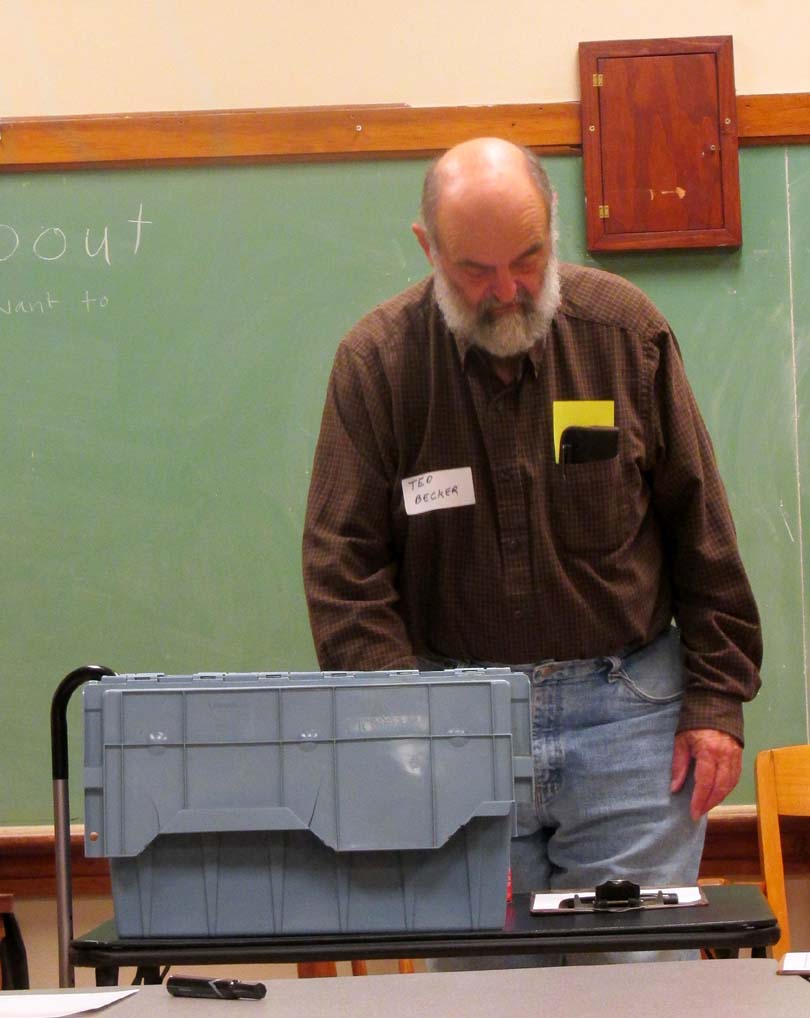
Ted Becker had the honor of being our first clinician, with his “How To Hobby Shop Outside The Hobby Shop” program. Ted has a great eye when it comes to recognizing items from sources other than the traditional hobby shop that we model railroaders can use. He came with what seemed like a bottomless box out of which he pulled a plethora of tools, supplies and ideas.

Ted Becker, Clinician 09-23-2014

Ted Becker, Our First Clinician

Among His Hints
  • Use 3M Brand #218 masking tape (available at auto paint supply stores) for masking models. It makes a very clean edge and the narrower tape curves easily.
  • Use MEK (methyl-ethyl-ketone) available from hardware stores as an adhesive for styrene.
  • Other hardware store finds
    • Acrylic caulk (non silicone!) for gluing down track to cork roadbed
    • Pliobond glue or Barge Cement – use like Walther’s Goo
    • Water based contact cement – great for adhering cork roadbed to wood sub roadbed.
    • Steel wool dissolved in vinegar makes a nice “brew” with which to stain strip wood.
    • A silicone BBQ basting brush for use in “painting” plaster and such, easily cleaned after use.
    • From the craft store
      • Craft sticks
      • Craft paint (when thinning, add the thinner in small increments and stir thoroughly)
      • Clothespins for clamps, including miniature clothespins
      • Decorative sand (black makes great coal and cinders)
    • From the “Dollar Store”
      • Spray bottles
      • Brushes
      • Storage boxes
      • Make-up brushes (for dusting models, and also for applying weathering powders)
      • Shot glasses (used inverted to put a small puddle of glue in which to dip toothpicks, etc)

Other hints included visiting Harbor Freight for needle files, heat shrink tubing assortments, and miniature vacuum hoses (to attach to a shop vacuum). From Grizzly Tools, Ted found a great digital caliper measuring both inches and metric and small 4” Jorgensen clamps.

The bottom line: keep your eyes open when shopping and you’ll be surprised what you find that can help you in your modeling efforts.

The next clinic is October 28 when Tom Buckingham will show “up close and personal” photos of his recent trip to Germany and Miniature Wonderland, that fantastic layout we’ve all seen in the model magazines. Then, on November 25, Nick Muff will show us how to do geodesic foam rocks and landforms.

Skagit Valley and Whidbey Clinic Kicks Off 2014-15 Season

Rich Thom

The Skagit Valley and Whidbey (SV&W) Clinic got off to a great start at its first meeting in Oak Harbor on September 10th, with Chairperson Rich Blake welcoming everyone back after the summer break. Actually most members met in August at John and Felicia Marshall’s home for a BBQ, also featuring John’s growing (they always do!) outdoor G-scale railroad. This added “bonus” meeting has become a tradition thanks to the Marshalls’ hospitality.

Rich noted tonight’s attendance was 27, a good beginning for the season (last year’s average was 28). New member Steve Shelley—modeling in HO scale—was introduced and welcomed. Rich reviewed the season’s clinic topics and regional calendar of NMRA and other events. Clinic members again plan to support many of the events such as the Pacific Science Center Show, the Monroe Train Show, and others.

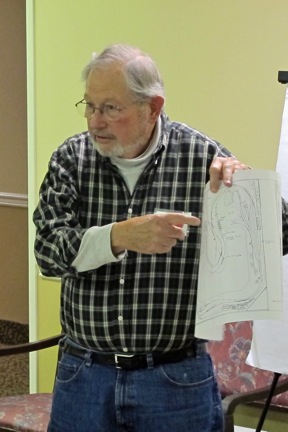
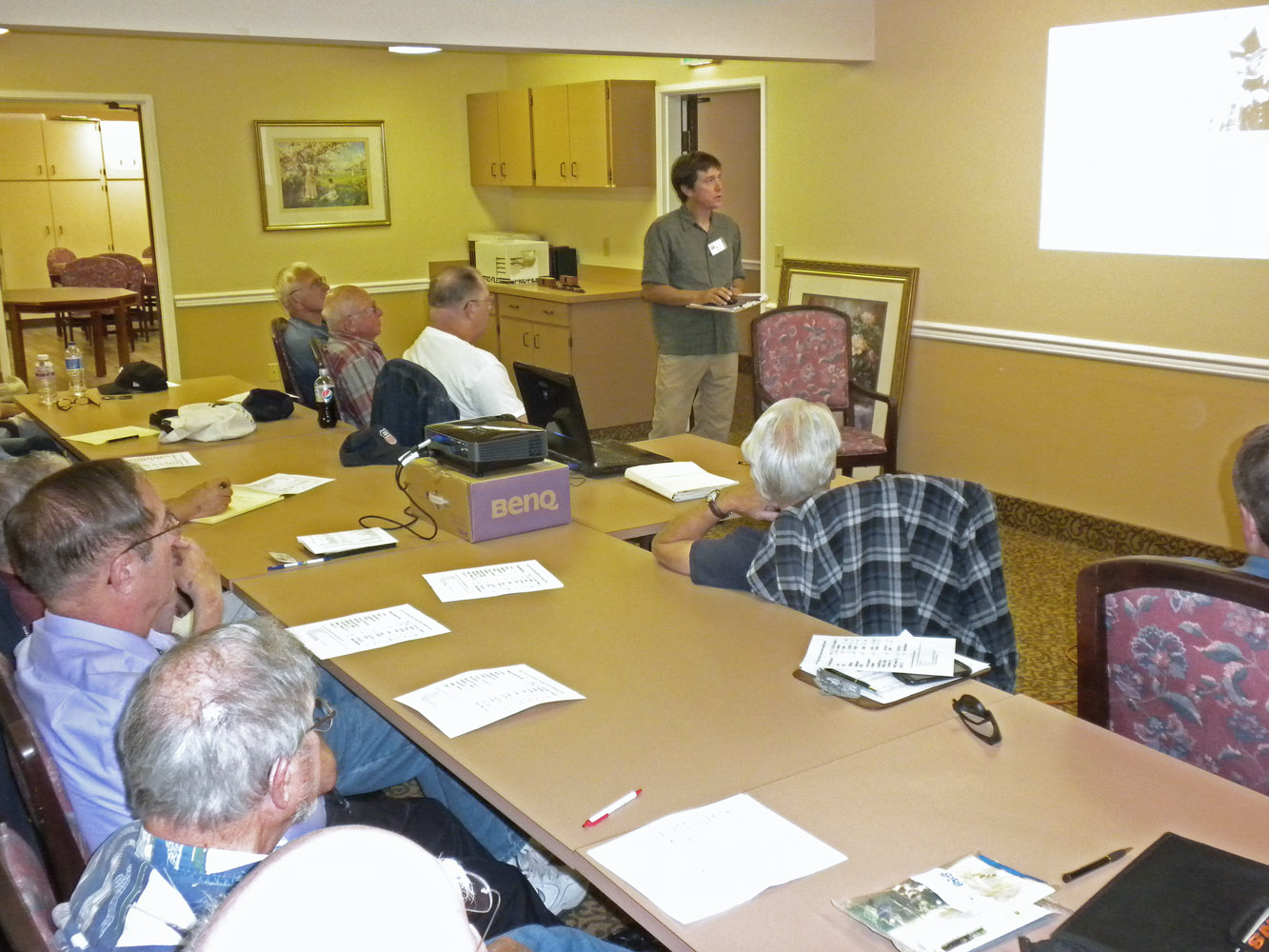
Rich Blake presented the evening’s clinic, “The Art of Ops.” Several members already host regular operating sessions; and others plan to. The theme of Rich’s talk was how guest operators should prepare themselves to help make the session run smoothly. It also improves your chances of getting invited back!

SV&W Clinic 9-10-14

Homework Before the Op Session

If you are invited to operate on an unfamiliar layout, there’s a lot you can do before showing up, anxious to move your first train. Most hosts have abundant material available describing the things you need to know about their railroad. They will email it to you, refer you to a website, or perhaps reference published articles. In addition to this layout-specific information, guest operators should know basic railroad operating practices.

  • Prototype or Theme/era for the Layout—The host will tell you the location and timeframe his layout recreates, and will appreciate guests having some basic familiarity with it, which can be researched on the internet.
  • What, When, Where and How—The host will almost always provide a Track Plan, Timetable, or often an entire Employee Timetable. Study these carefully. There’s nothing more frustrating than being handed a throttle and told to take a train from A to B, and not having the slightest idea where A and B are.
  • General Rules of the Road—Be familiar with general rules, such as can be found in the General Code of Operating Rules, which can be downloaded from the internet.
  • Layout Owner Rule Set—Sometimes provided in advance, sometimes not. If they are, read them. How are cars uncoupled on the layout? Is sound used, and does the host want you to use realistic whistle signals? (Know them.) Does he want you to not touch his cars and locos under any circumstances? Does he wish nothing to be placed on the layout, even “harmless” paper? Owners can be very sensitive about such things, and guests should know them.
  • Train Control—How is traffic controlled, TT&TO, Track Warrants, CTC etc? Know the basics of these methods, and refresh yourself with the details of the one used.
  • Car Forwarding—The host will usually specify the method used: car cards, switch lists, tab-on-car, etc. Know how to use them beforehand.
  • DCC/DC—The host will specify whether he uses Lenz, Digitrax, MRC etc. If you are not familiar with the manufacturer’s equipment, do your homework. Instruction manuals can be found on the internet. Also don’t forget how to operate on a DC layout—there are still some around!

At the Layout

Encountering an unfamiliar layout, especially a large and fully-scenicked one, you’ll usually be wowed and start looking at all the details. But right after the orientation tour, you’ll be expected to run a train. Focus on what is operationally important first!

• Electrical Panels—Some are user friendly with clear diagrams, others less so. Ask if some are confusing to you.

  • Turnout Controls—Know where they are and how to use them.
  • DCC/DC—Locate the DCC plug-in panels.
  • Signals—Know the indications! On a CTC layout, for example, if you don’t know what yellow over red means, ask the host for a cheat sheet. Most have them available.
  • Problem Trackwork—This refers to complex, not poorly laid, track. Locate complex trackwork that you will need to negotiate, such as three-way and slip switches. If they are aligned by the road crews, know how to throw them to avoid embarrassment when your train gets there!
  • Defer admiring the layout until after you are comfortable with the things above.
  • Self-Prep—Take with you the accessories that you may need. Operating usually requires four or five hands, to hold train orders, throttle, radio, car cards etc. Pack an apron with pockets and/or neck lanyard; small flashlight; pens/pencils, spare uncoupling picks. If you take your own throttle, pack spare batteries.
  • Give Feedback to the Host—He will appreciate knowing the bugs that you’ve encountered. Remove bad order cars, and fill out bad order forms if provided. Blue flag problem trackwork. Identify any locos that need attention. Taking photos of bad order items and sending later also works. Always stay for and contribute to the debriefing at the end of the session.

And Slow Down!

The final section of Rich’s talk addressed slowing down for more realistic operation, illustrated with video clips, some of which Rich shot on his On30 modules. It’s common to see switching moves performed in an op session at a speed impossible in the real world, without brakemen moving at the speed of light that is. Using “one potato two potato” counting to insert simulated time for releasing hand brakes, uncoupling, walking to and from ground throws, etc., Rich demonstrated how these operations can be done much more realistically, more than doubling the time usually seen in typical sessions. Simulating brake tests, setting retainers, and other prototype operations can also add interest and slow things down. Finally, several video clips showed some of the bad habits that even experienced operators can develop over time. One of the best: grabbing a freight car with your left hand to create slack (probably moving the loco at the end of the cut in the process) while uncoupling with a pick in your right hand

Operating can be fun for both guests and host, but guests need to do their half of the work: do the homework!

Inaugural Mount Vernon Clinic is Next Week

Al Carter

The inaugural meeting of the new Mount Vernon Clinic, sponsored by the Fourth Division, is next Tuesday, September 23, 2014. The meeting is at the Mount Vernon Senior Center, starting at 7:00 p.m. The address of the Senior Center is 1401 S. Cleveland Street, easily accessible from I-5 via the Kincaid Street exit. Click here for a map and directions.

Our first program will be by long time Fourth Division member Ted Becker, titled “How To Hobby Shop Outside the (Hobby Shop) Box.” We’ll learn about sources for modelling stuff not found in a hobby shop. A lot of old ideas, maybe some new ideas and, best of all, ideas new to you that you can use.

We encourage attendees to bring along a model they’ve completed (or even models in progress) to share with the group. Perhaps it will inspire others to start a new project.

We cannot unlock the door nor are we permitted to leave it propped open, but we will have someone at the entrance until 7:00 p.m. If you arrive after that, please ring the “Model Railroaders” doorbell that will be on a board by the door and wait for someone to come and let you in.

If you have any questions, call me at 360-399-1226, or email tabooma@msn.com. If you wish to be on the list for the monthly e-mailed newsletter, email Roger Johnson at skagitrailbird@gmail.com or call 360-770-5944.

We hope to see you there!

Board of Director Position Open

Russ Segner, Division Superintendent

The current 4D Board Secretary, Tina Ferguson-Brikoff, has submitted her resignation. Both Tina and Alex, her husband, have increased responsibilities outside the hobby and have had to step away for a while.

It is my responsibility to appoint someone to this very important position. Here is how the Secretary position is described in the 4D Policy Manual:

Secretary


The duties of the Secretary include, but are not necessarily limited to:

  1. Keep minutes of all Board of Directors and General Membership meetings.
  2. Provide copies of such minutes to others as prescribed elsewhere in the Bylaws and in the Policies and Procedures Manual.
  3. Maintain corporate records as prescribed elsewhere in the Bylaws and in the Policies and Procedures Manual.
  4. Perform other secretarial duties deemed necessary or specified in the Bylaws and in the Policies and Procedures Manual.

The Secretary is also the Registered Agent with the State of Washington.

If you are interested in serving, this is a great opportunity to help our membership. The Board meets six times each year, usually in Kent, and last about two hours. The next Board meeting is October 25 at 9:00 a.m.

Please contact me as soon as possible: 425-228-7327 or russseg@gmail.com. I intend to make my selection no later than October 1st.