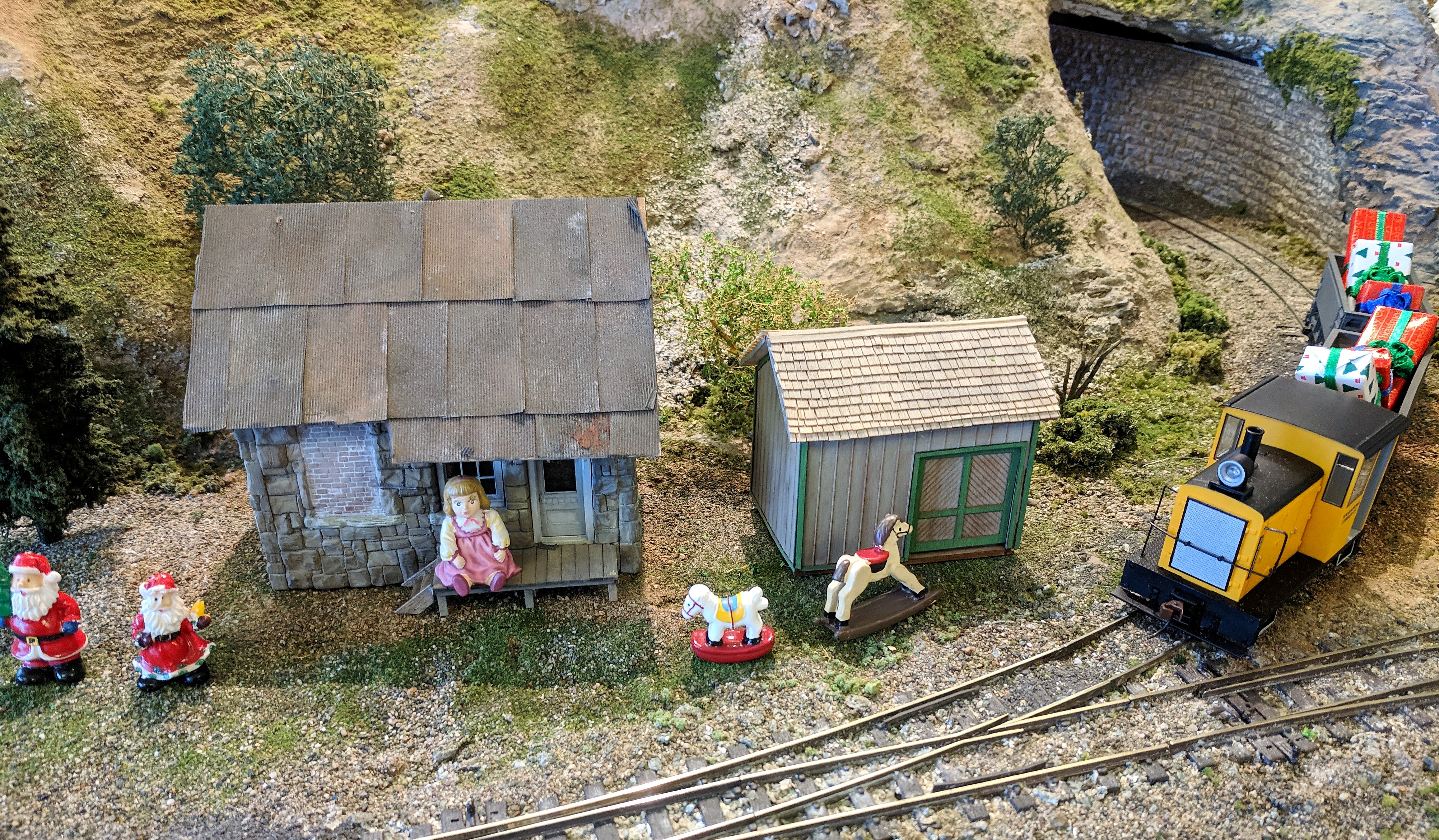
The PSMRE layout together with several of our modular groups is celebrating the Holidays with open house throughout this week.
One of the finest examples of model building is featured. Here is a link to a Facebook presentation.
Russ Segner
The PSMRE layout together with several of our modular groups is celebrating the Holidays with open house throughout this week.
One of the finest examples of model building is featured. Here is a link to a Facebook presentation.
Russ Segner
We are in the midst of a season of gift giving. We will give and receive clothing, toys, electronics and all manner of gizmos. Some of us who are really lucky will get things for our love of trains. This is all great and I hope you get what you wished for.
I want to mention one special aspect of giving. That is the giving of time and sharing of experience to benefit others with no expectation of compensation or even acknowledgement. In the course of our association together in the 4th Division, many routinely give of themselves to the benefit of us all. So, I want to take this opportunity to thank each of you who have done so.
Thanks to all who present clinics, help with setup for the clinics, spend hours preparing modules for display at train shows, talk with the public about our hobby, work to publish communications with members, organize membership information, recruit leadership and serve as directors and officers of the 4D.
I wish you all a very enjoyable season, however you observe our many holidays. Get some rest, do a little model railroading, share some time with others and be ready for a very busy and fulfilling 2019.
Submit your nomination with the name of the member and a list of their contributions to the hobby, the NMRA and the 4th Division plus a short bio. If you have submitted a nomination in the past, please resubmit. Email your nominations to Ted Becker at: rail.bird@att.net.
The Golden Grab Iron Service Award is given each year to a member of the 4th Division, Pacific Northwest Region, National Model Railroad Association, who exemplifies extraordinary service to the organization. The selection committee is comprised of the immediate past three honorees. Please submit your nominations for the 2019 recipient by January 15th. A list of past recipients is on the 4D website here.
Ted
Article and Photos by Rich Thom
Clinic Chair Rich Blake welcomed a jovial crowd of 32 to our annual holiday Wassail at the Summerhill facility in Oak Harbor. The large room there (pirated last month by another group) was rightfully ours once again and definitely needed to accommodate the dozens of groaning platters of snacks and sweets: It was not a Weight Watchers meeting! Rich also welcomed newcomer Mike Bernethy and we hope he becomes another regular.
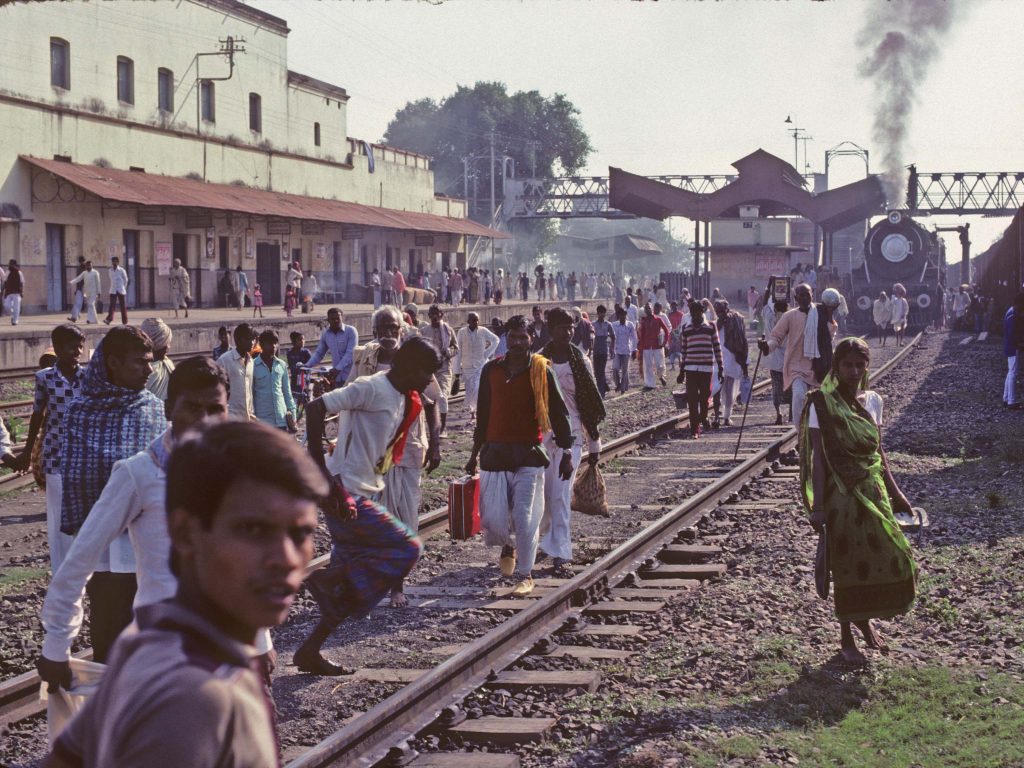
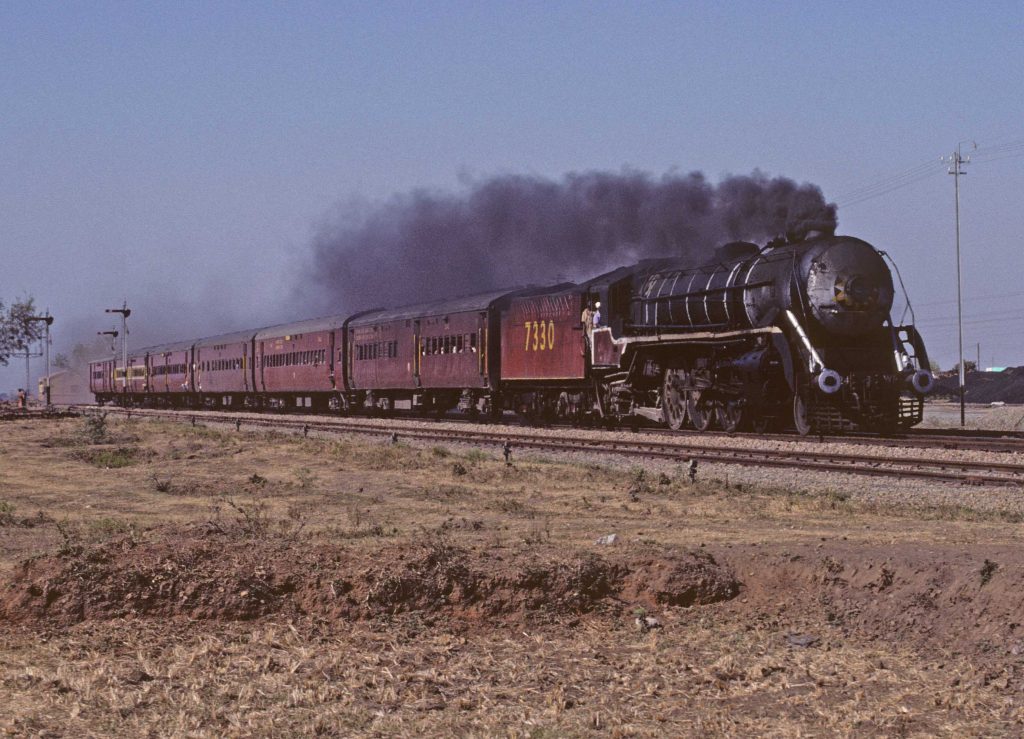
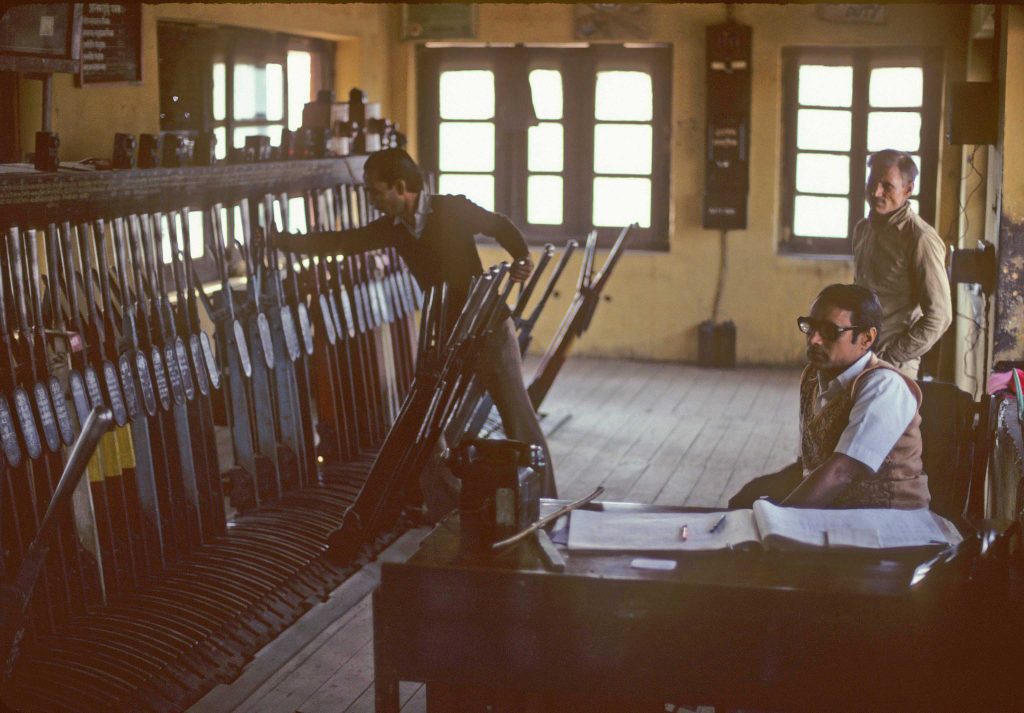
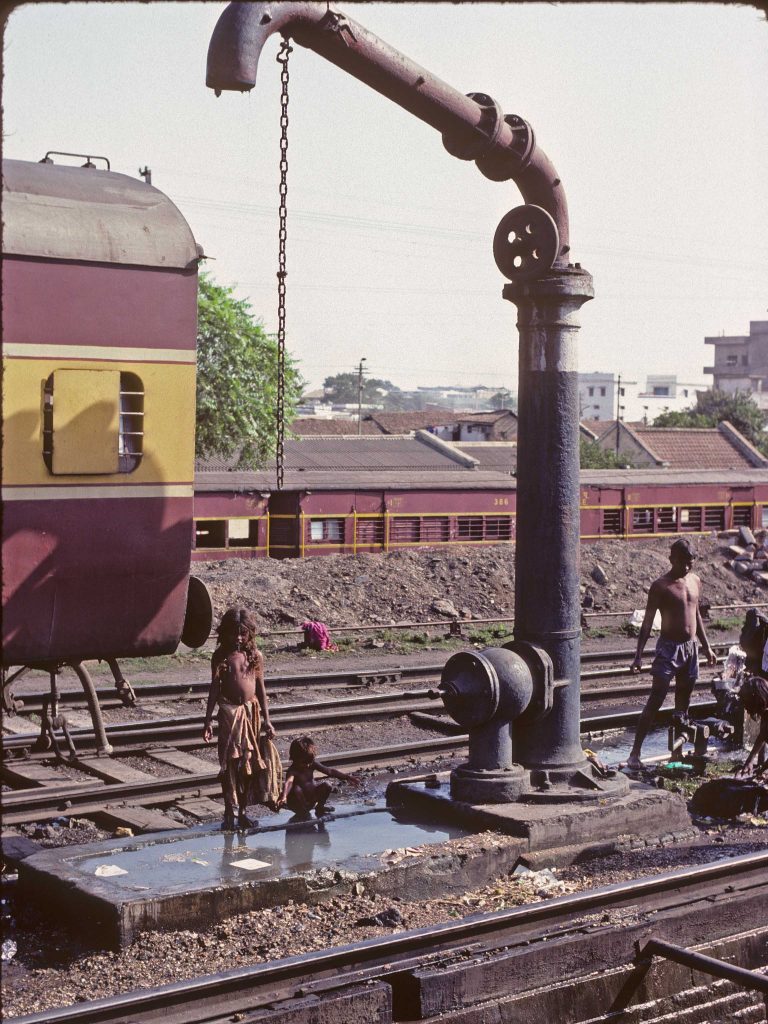
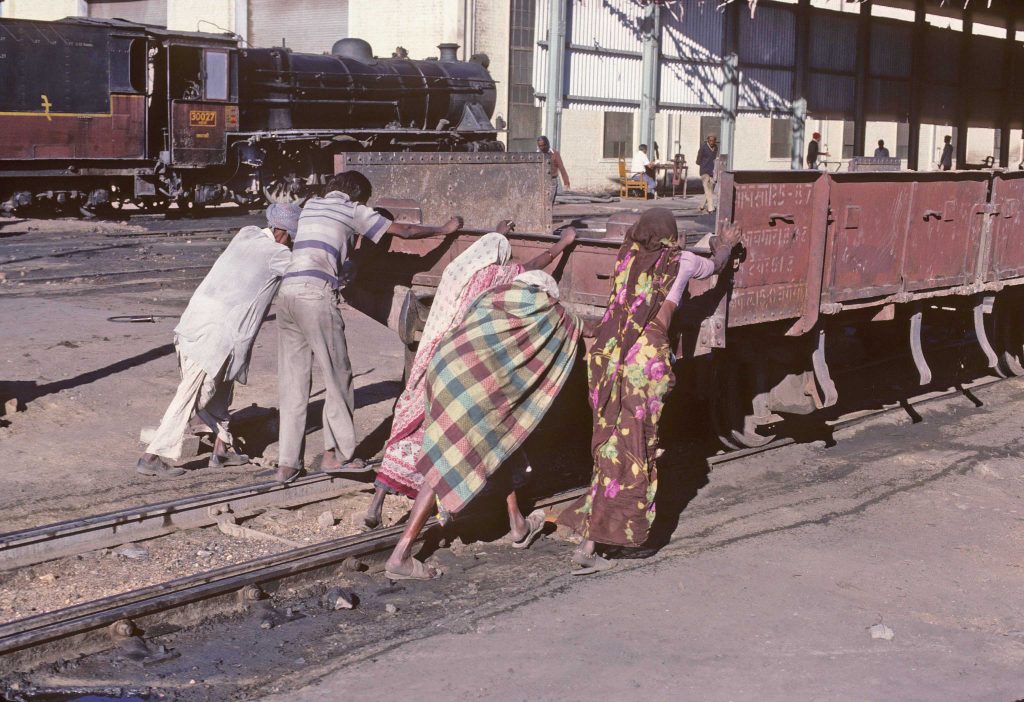
The evening’s diversion, while attendees dug into the goodies on their paper plates, was a slideshow by your reporter titled “No Problem, Sahib” presenting photographic excerpts from his four trips to India between 1982 and 2005. “No problem, Sahib” was something the traveler didn’t want to hear from the train’s conductor, the hired car driver, or the hotel clerk. Because that reassurance actually meant: you had a really big problem! Your train would be hours late or terminated short of its destination; the road ahead was closed and the detour was 140 miles; or despite your reservation, you really had no room at the hotel and it was full. Rail travel seemed chaotic—because it was. Stations were overflowing, as were the trains; even the tracks at busy junctions and stations were used as footpaths home.
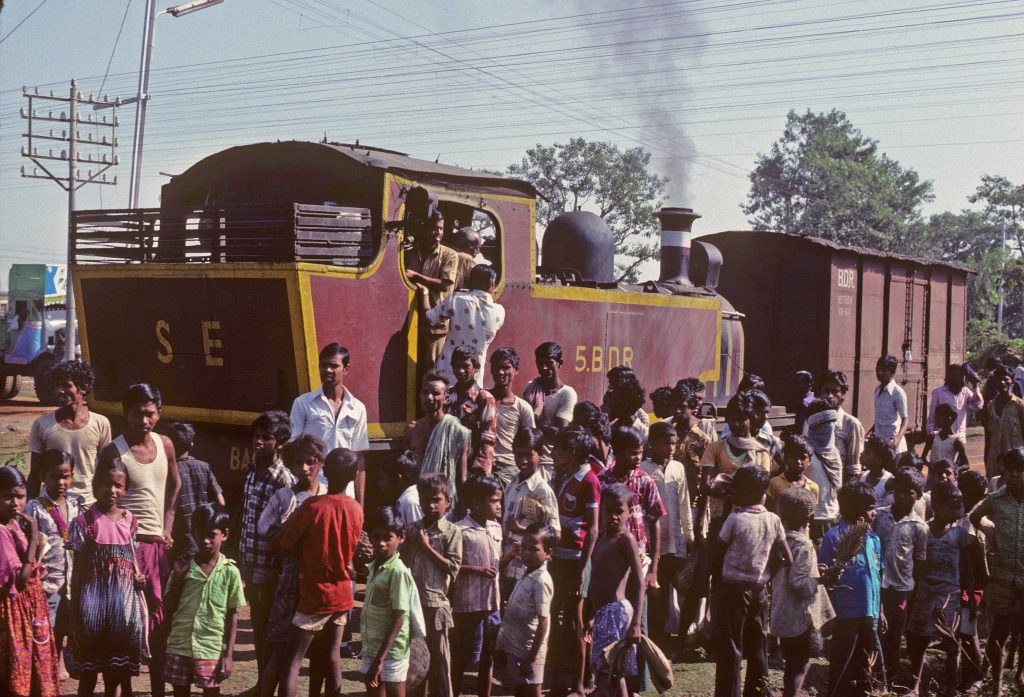
In the early 80’s steam still dominated, although dieselization and electrification had made inroads,and the remaining steam on India’s broad (5’6”) and meter gauges comprised mostly standard post-war classes. But itwas still possible to cross the subcontinent entirely behind steam, as your presenter did. The narrow gauge was another draw: hundreds of miles of mostly 2’6” gauge still remained 100-percent steam. Perhaps the most interesting of all was the world-renowned Darjeeling Himalayan Railway, the 2-foot gauge mountain-climbing gem in India’s far northeast, now a UNESCO World Heritage Site.
Maybe more than anything, the rail enthusiast in India was simply overwhelmed by the crush of humanity; the cities and even small villages which seemed to burst with people; the poverty; the incessant toil of the country’s citizens. A handful of photos from the program may give a flavor of Indian train travel during the years your writer traveled there.
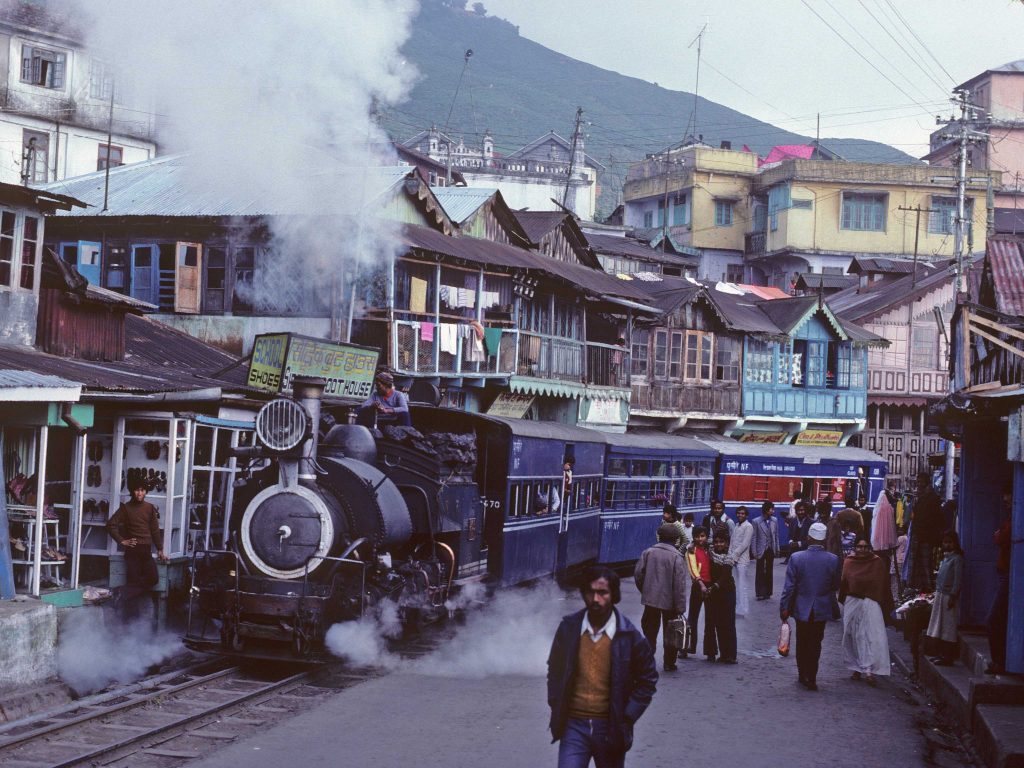
Editor: This was a fascinating presentation by Rich and Linda Thom that provided a colorful glimpse into the widely (and dare I say “narrowly”) variable types of railroad subjects in India, a country still very much dependent on railroads for travel, commuting and commerce. All had a great time and again thanks to the Thoms for sharing their travel adventures.
The December 2018 Eastside Get Together Clinic will meet on December 20, 2018.
The Clinic will meet at the:
Redmond Community Center at Marymoor Village
6505 176TH AVE NE, Rm. 202
REDMOND WA 98052-4930
Doors open at 7:00 PM and the meeting starts promptly at 7:15 PM.
We will begin by mentioning any noteworthy, upcoming model railroad and railfan events in the area. We will also have our Model of the Month and Rail Photo of the Month contest. The sign-up sheet for our “Mini Clinic Event” next March will be available once again. We only have enough time for six clinicians, so the sign up is going to be first come, first serve. We already have three people signed up, so slots are going fast. Don’t pass up this opportunity to share your favorite modeling techniques with your fellow modelers. Meanwhile, be thinking about any favorite modeling techniques that you’d like to share with the group.
We will be having our annual Christmas “Dirty Santa Gift Exchange” this month. Everyone is asked to bring a small gift to participate. It is requested that the gift be inexpensive (less than $10 – $15 value) and gift wrapped with ONLY the scale marked on it if necessary (no names).
We will have refreshments and snacks available as always. The winners of the contests will have first choice of gifts from the “Dirty Santa Gift Table”.
Alex Brikoff
Do you want to spread the joy of model railroading to the greater community of Seattle? You bet!
Yes, the Pacific Science Center Show is January 19–21, 2019 (MLK weekend) and we still need volunteers. This is a great way to help the Fourth Division and spread the love of model railroading with the public. It only takes a few hours.
To Volunteer You Need To:
There are many ways that you can help make the show a success:
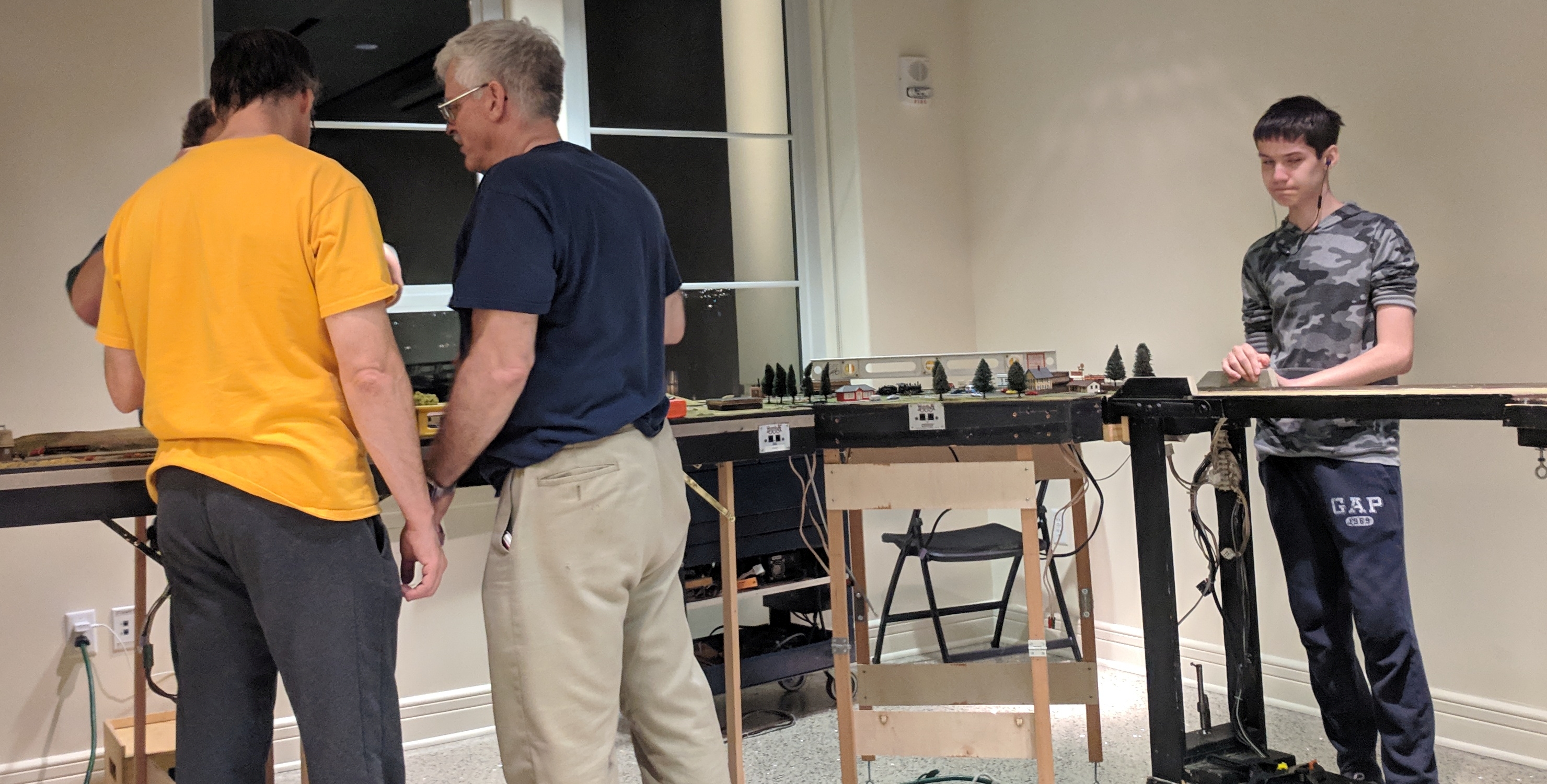
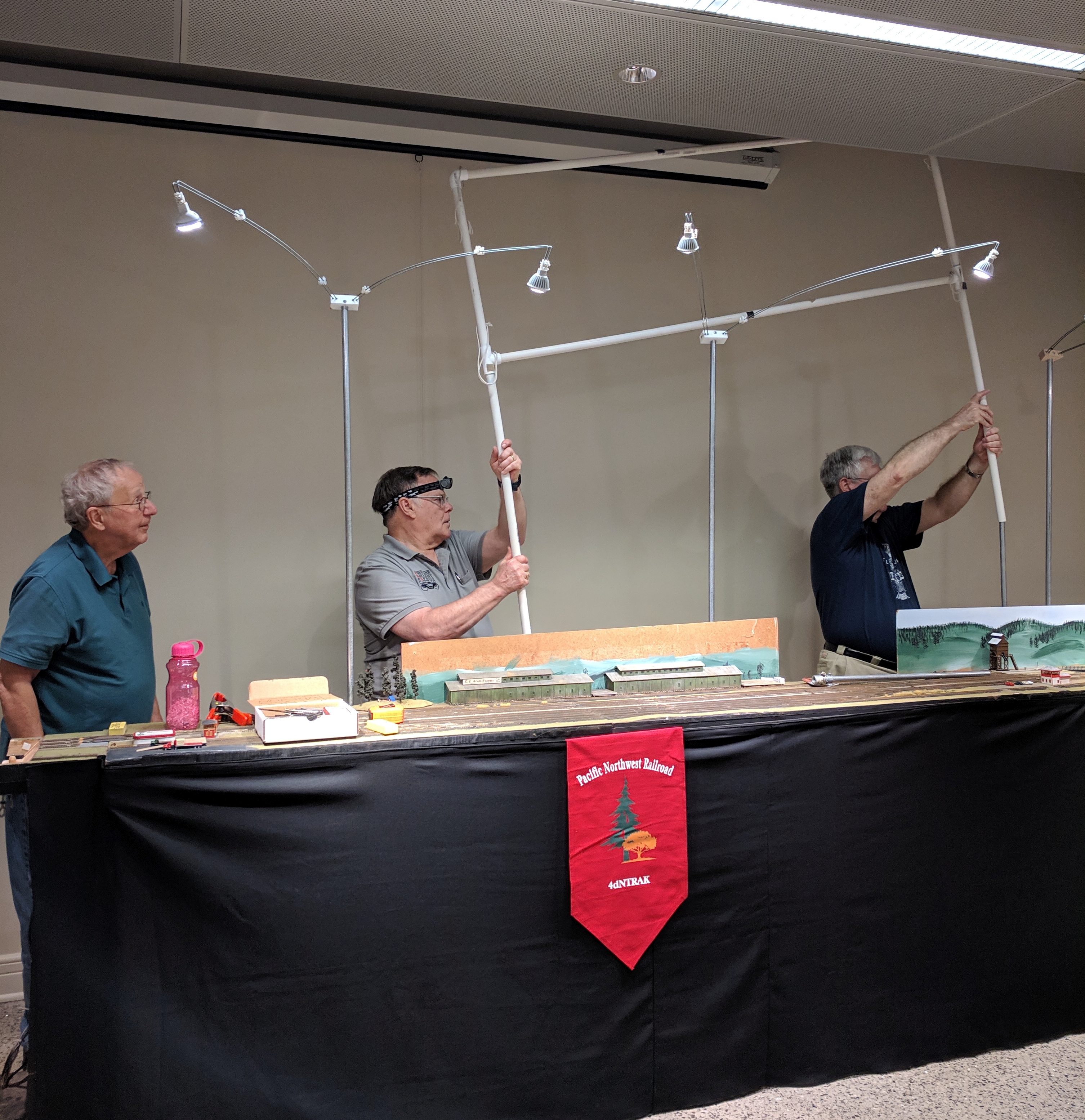
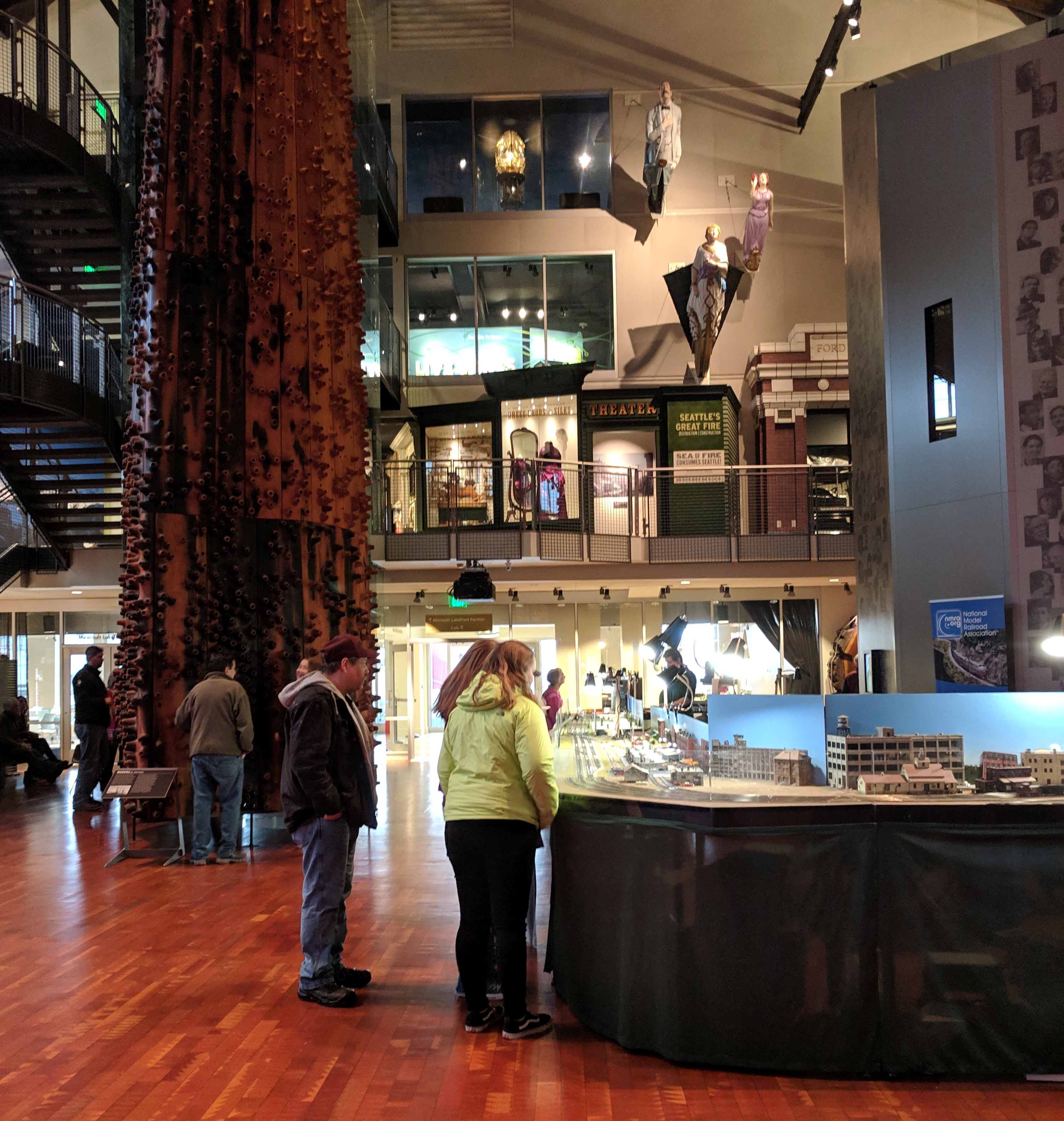
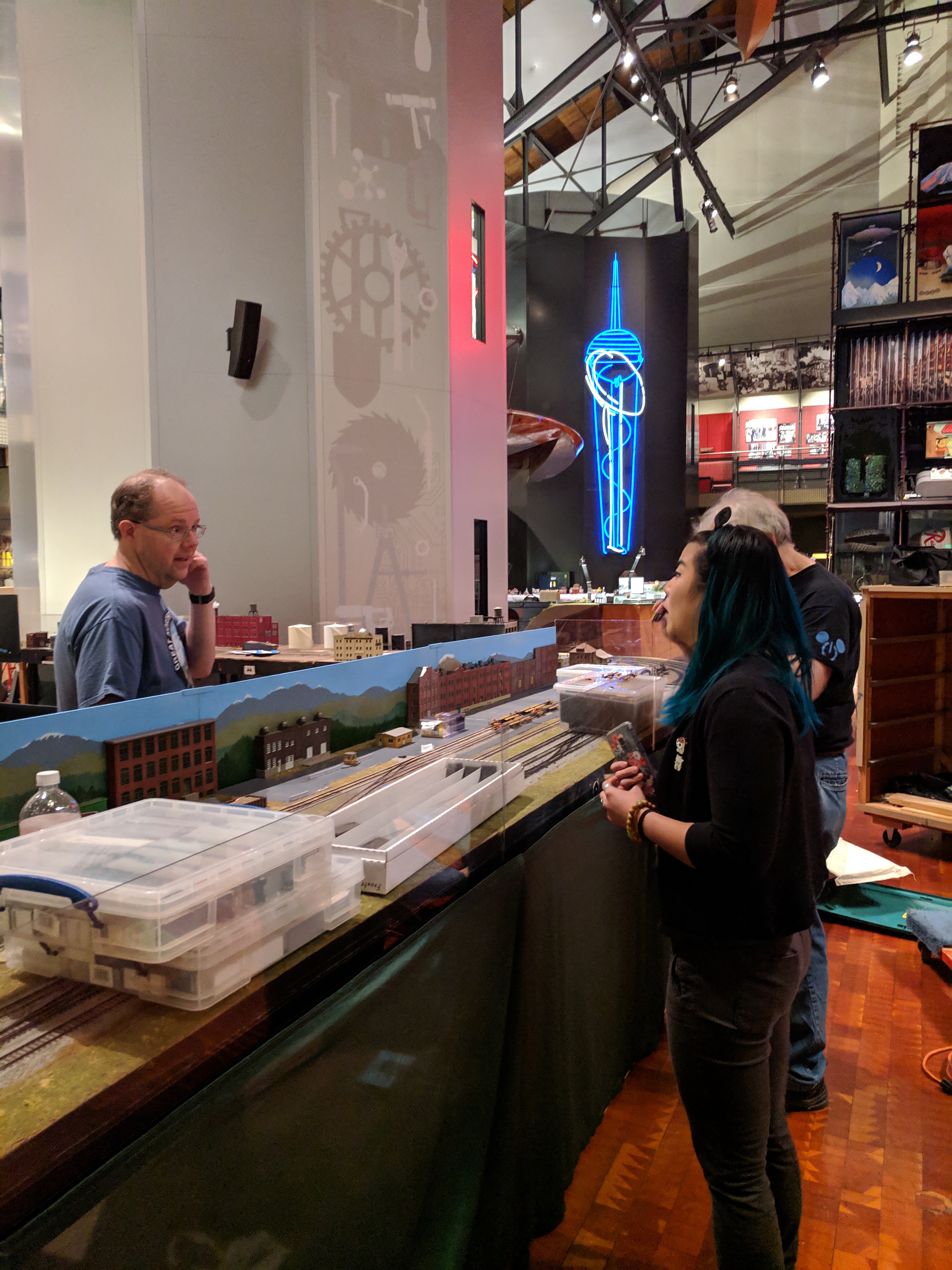
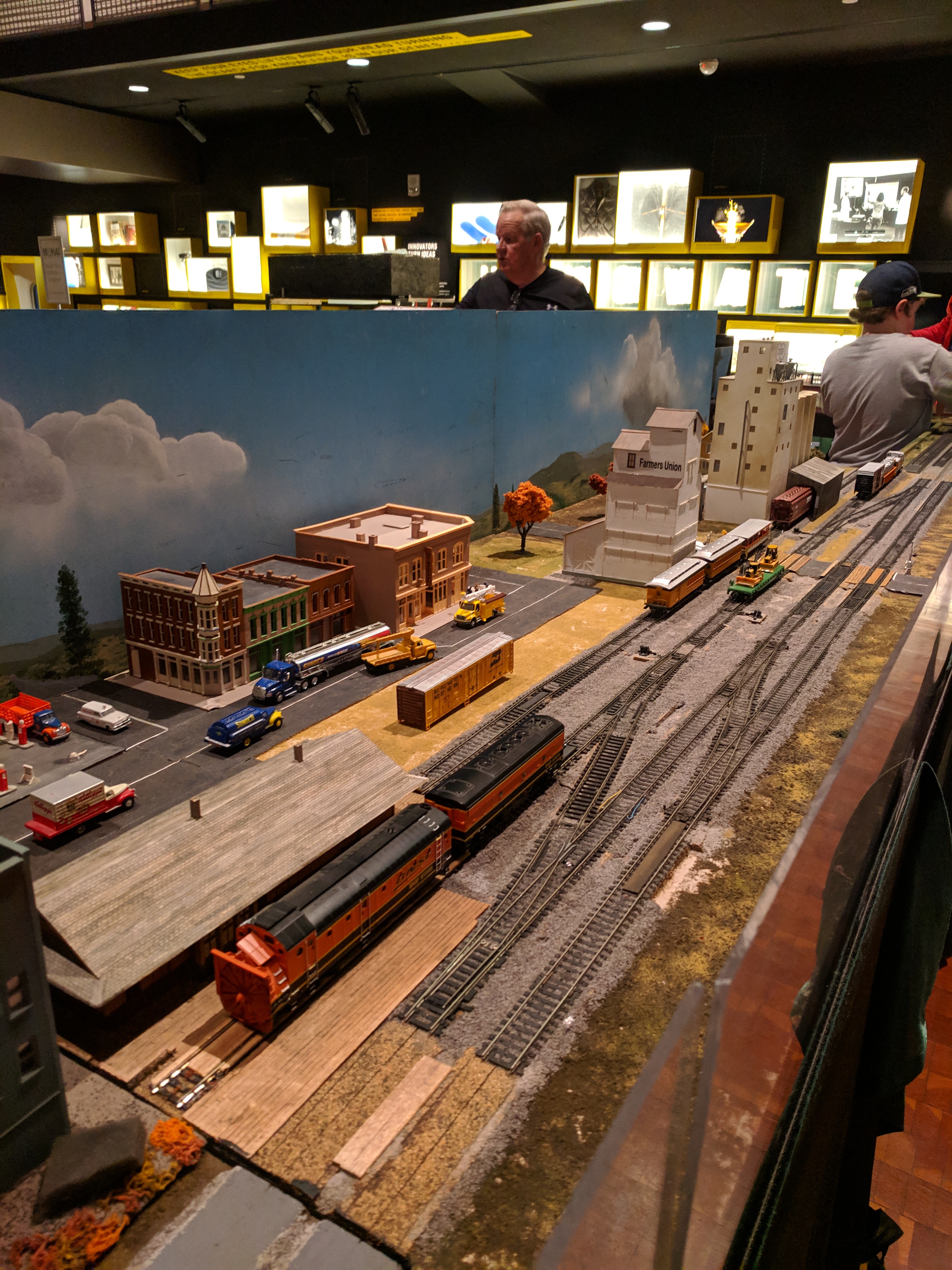
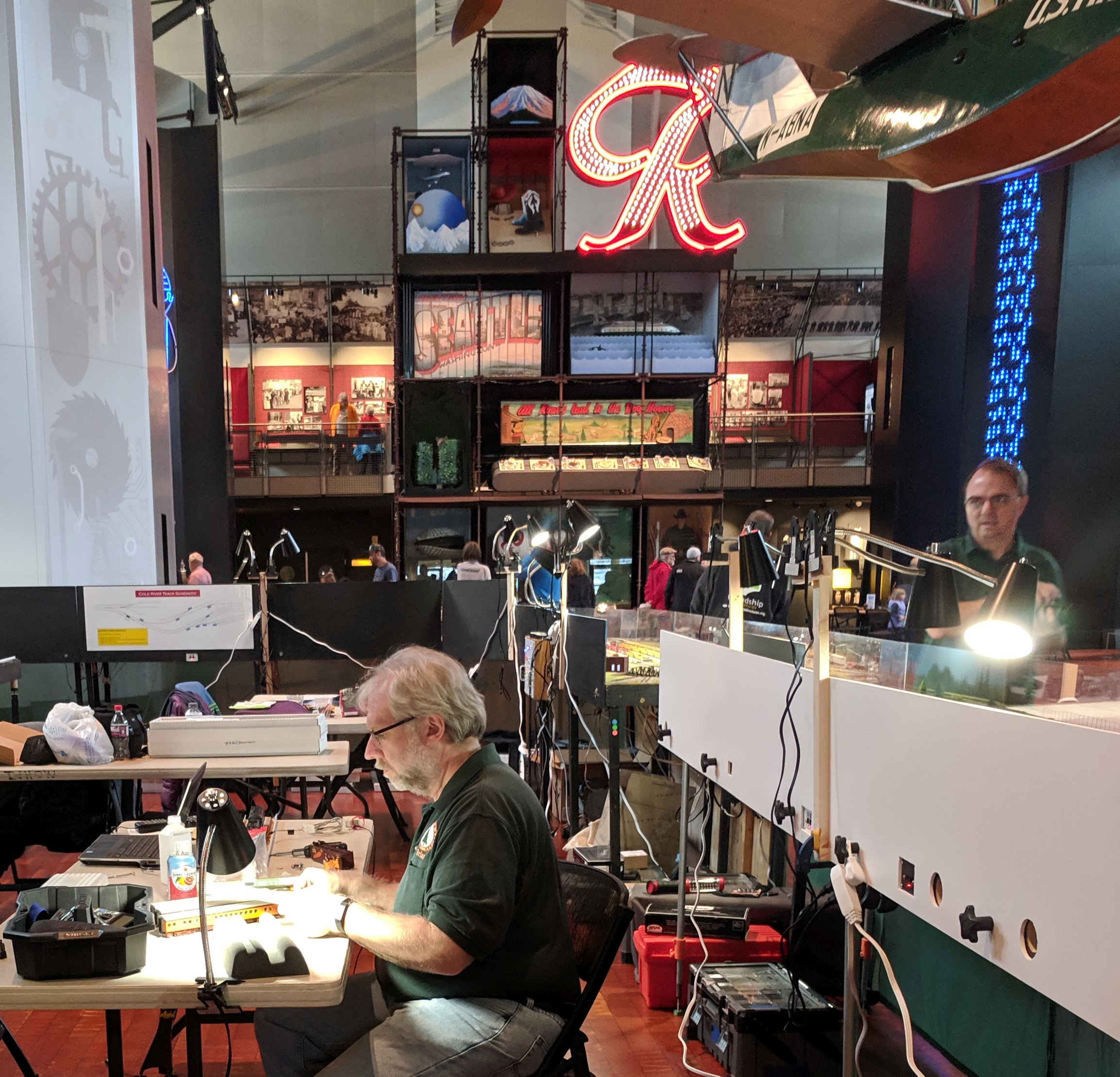
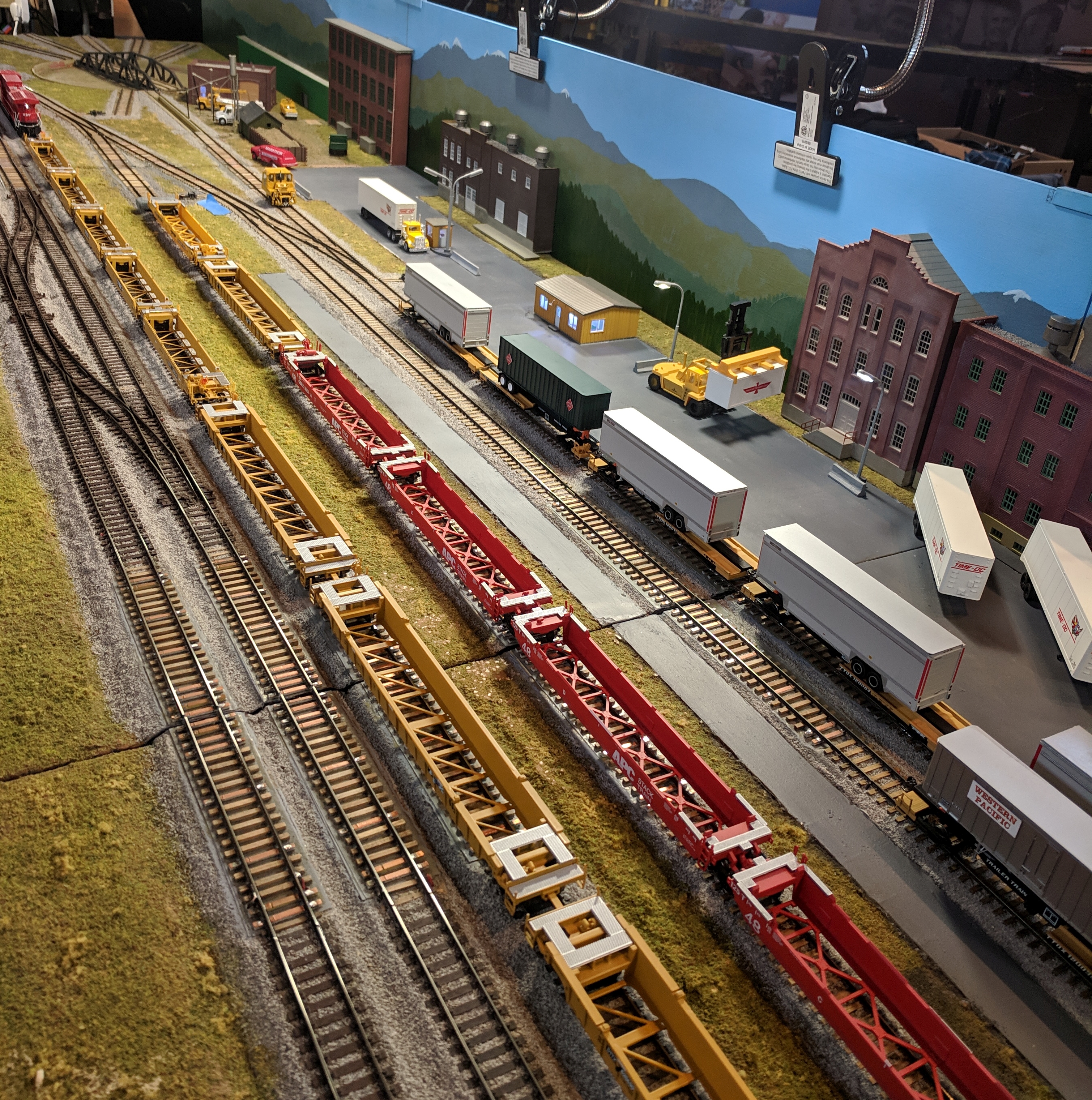
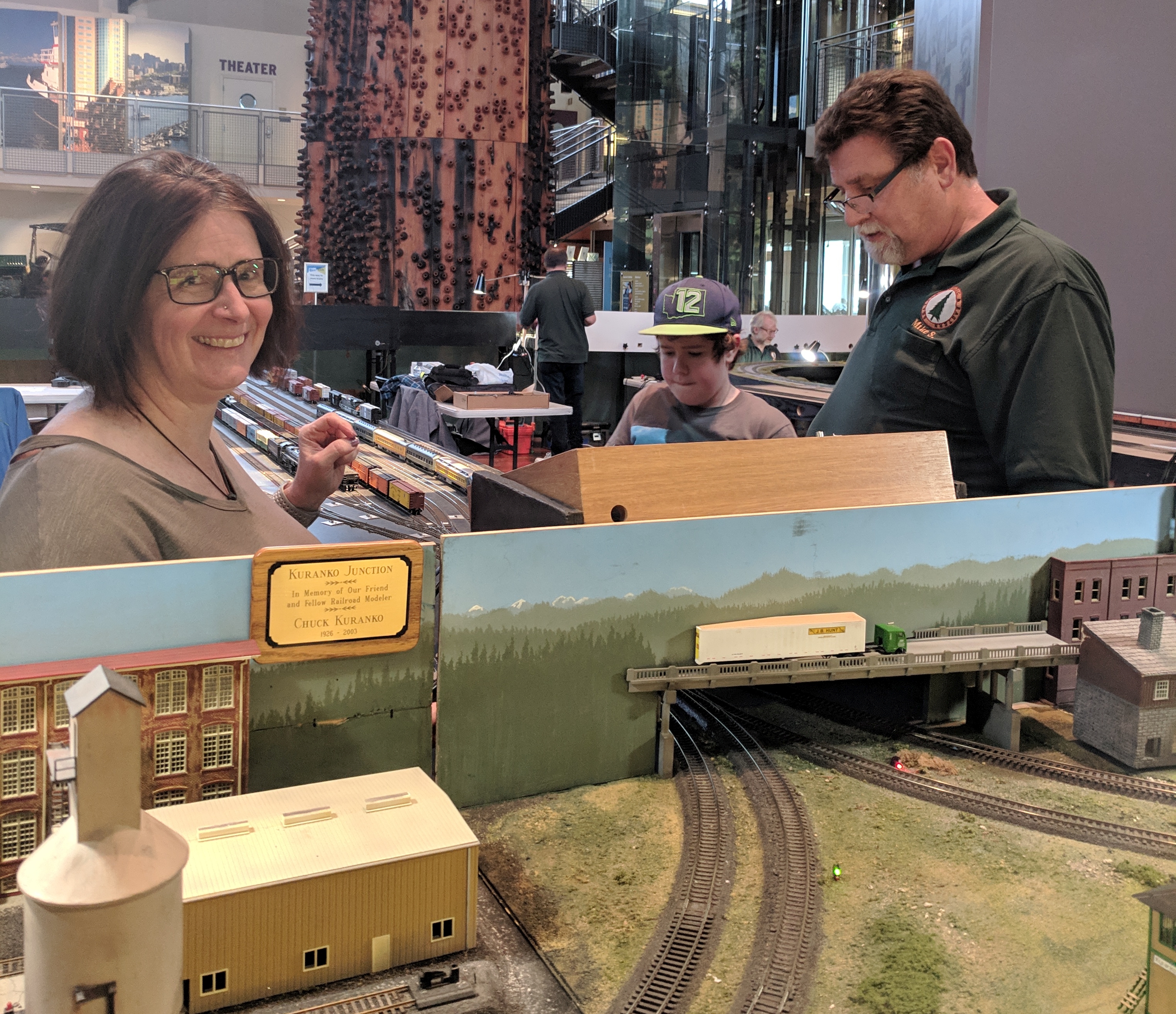
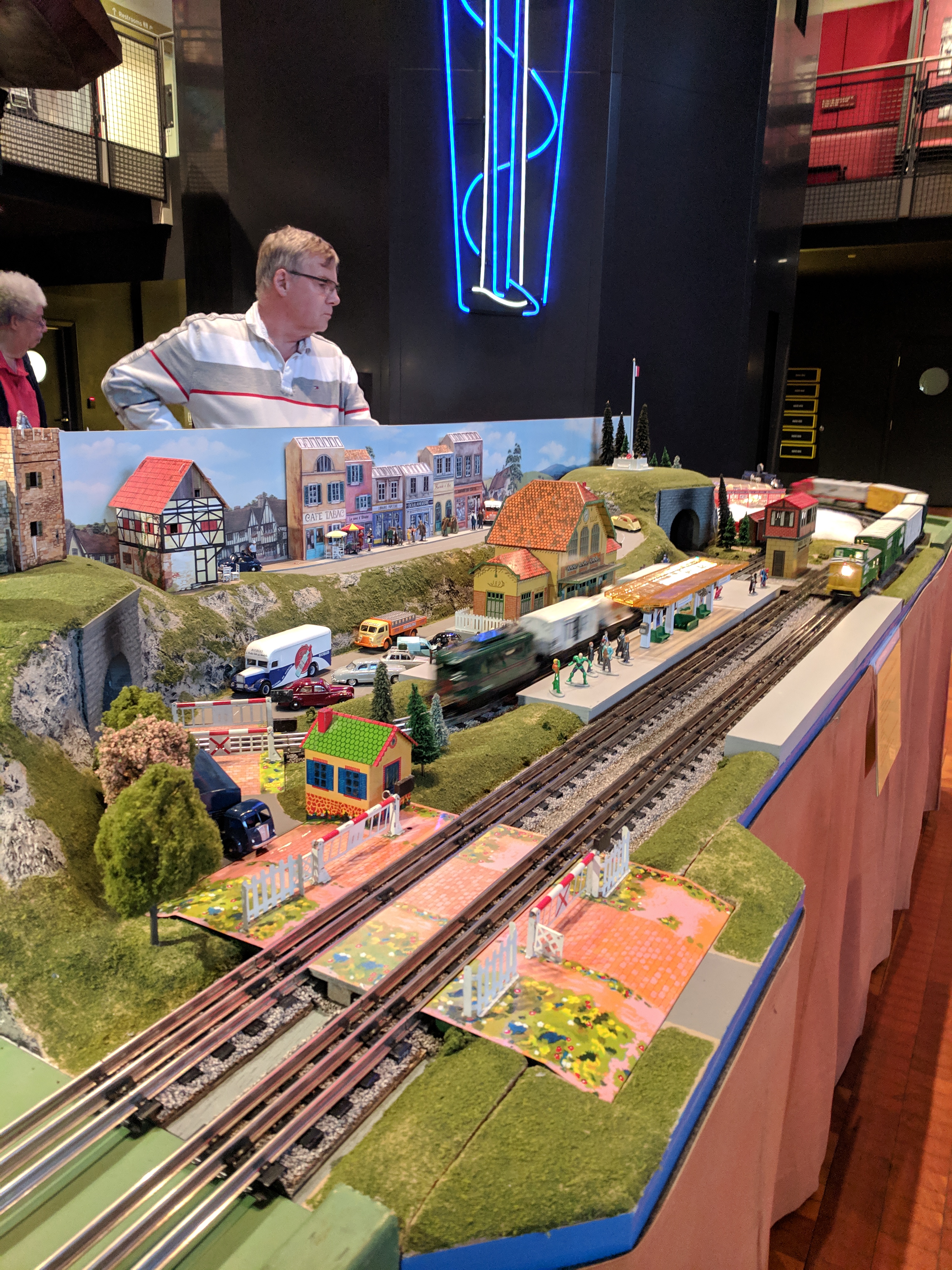
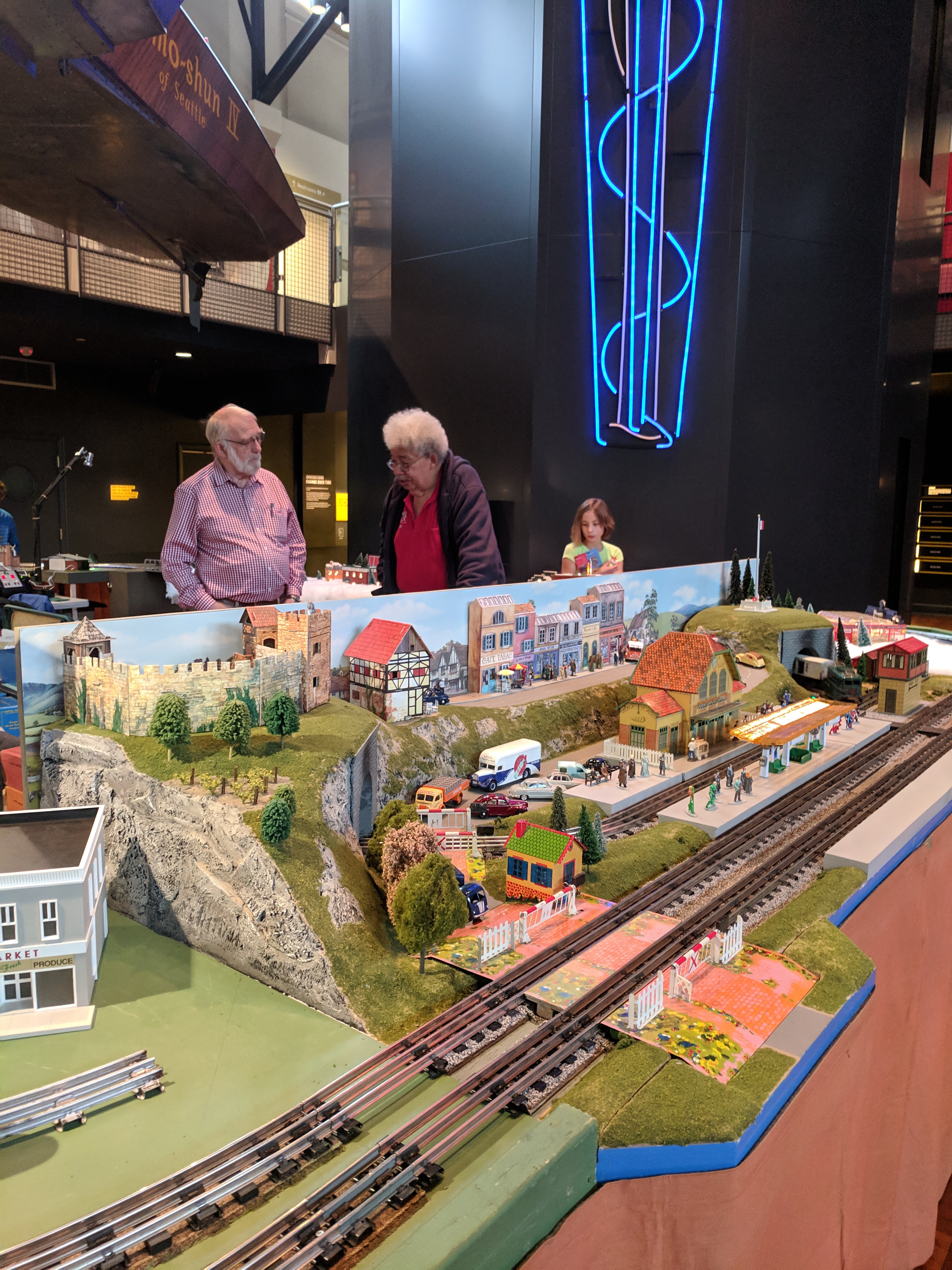
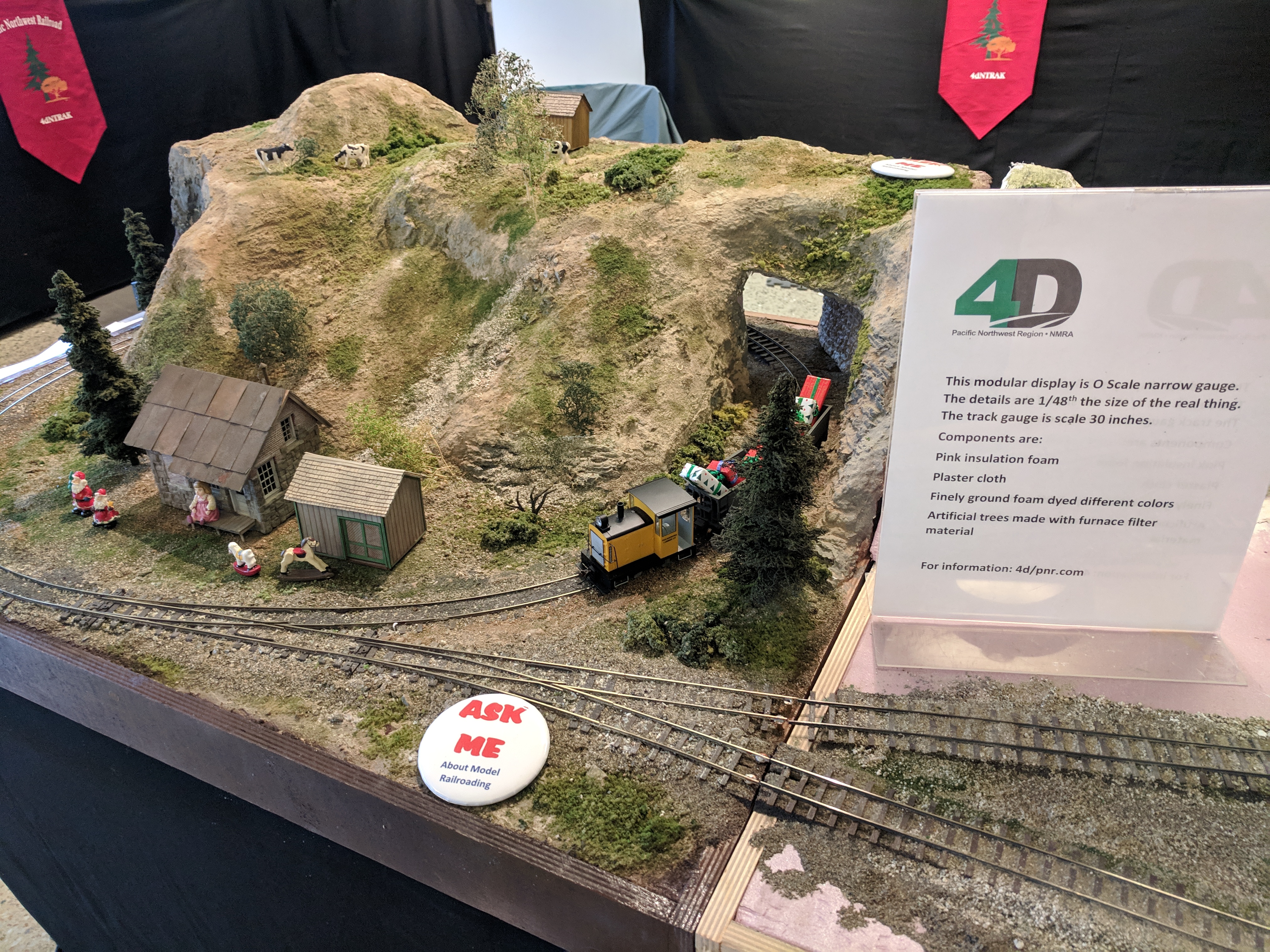
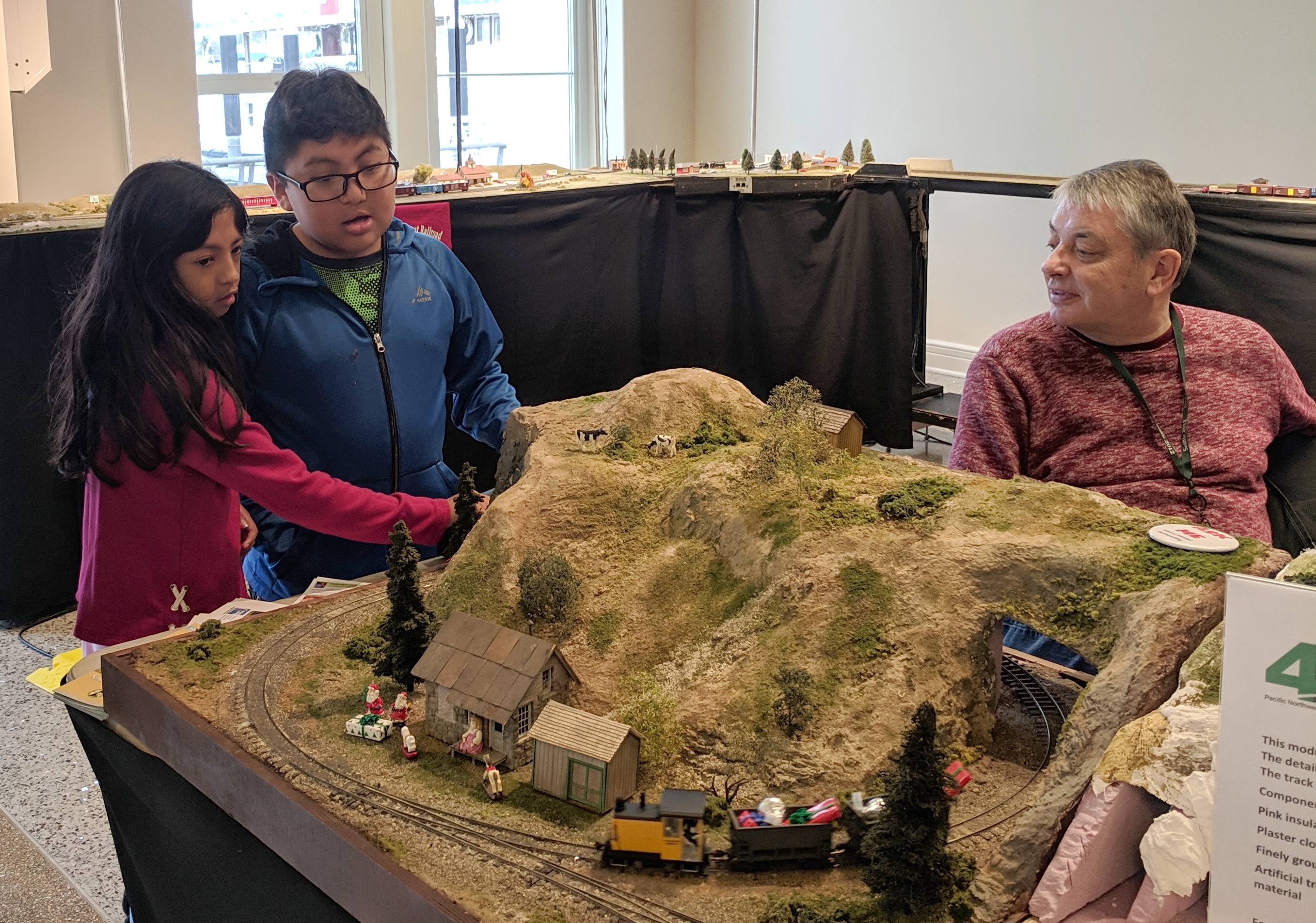
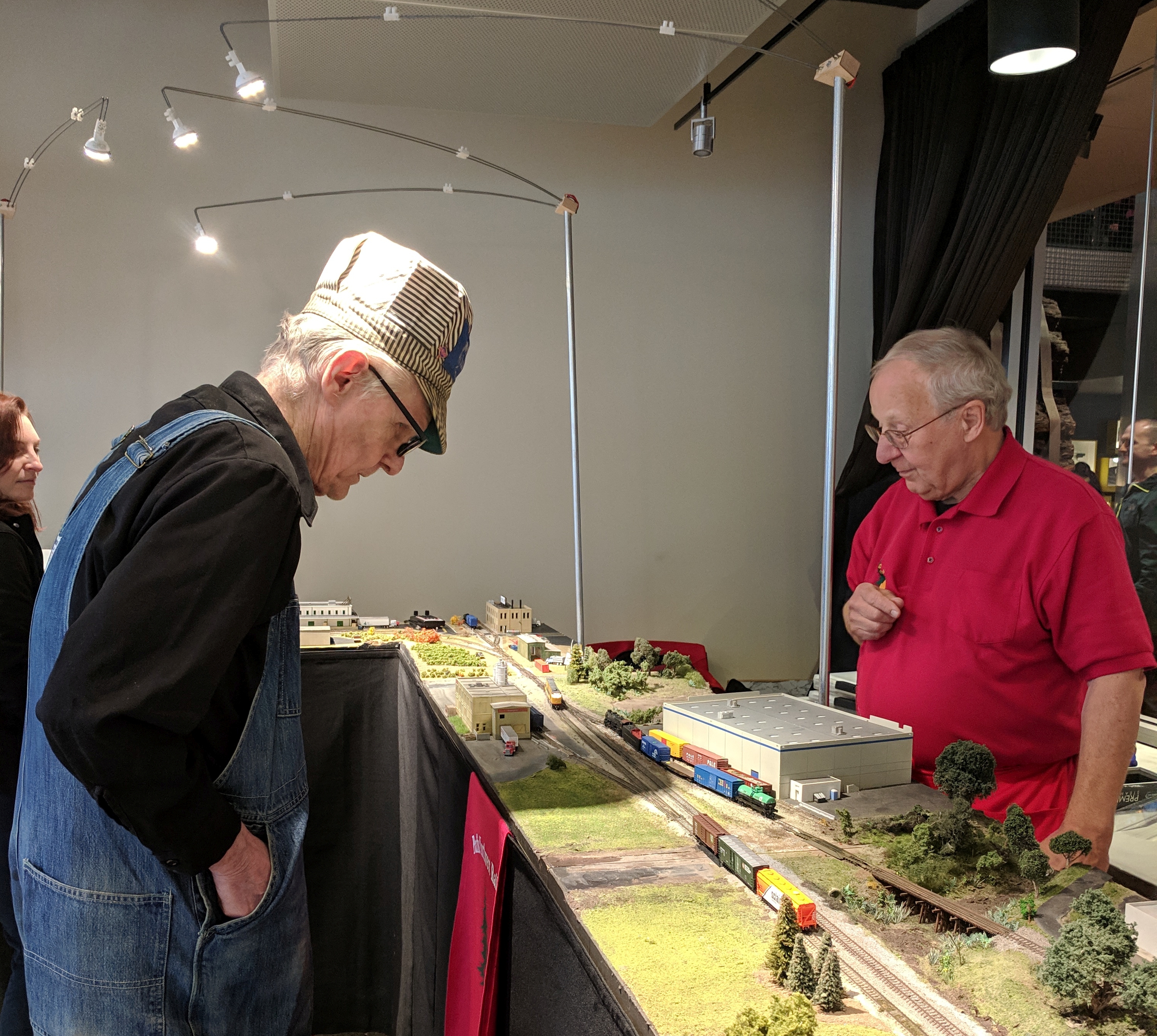
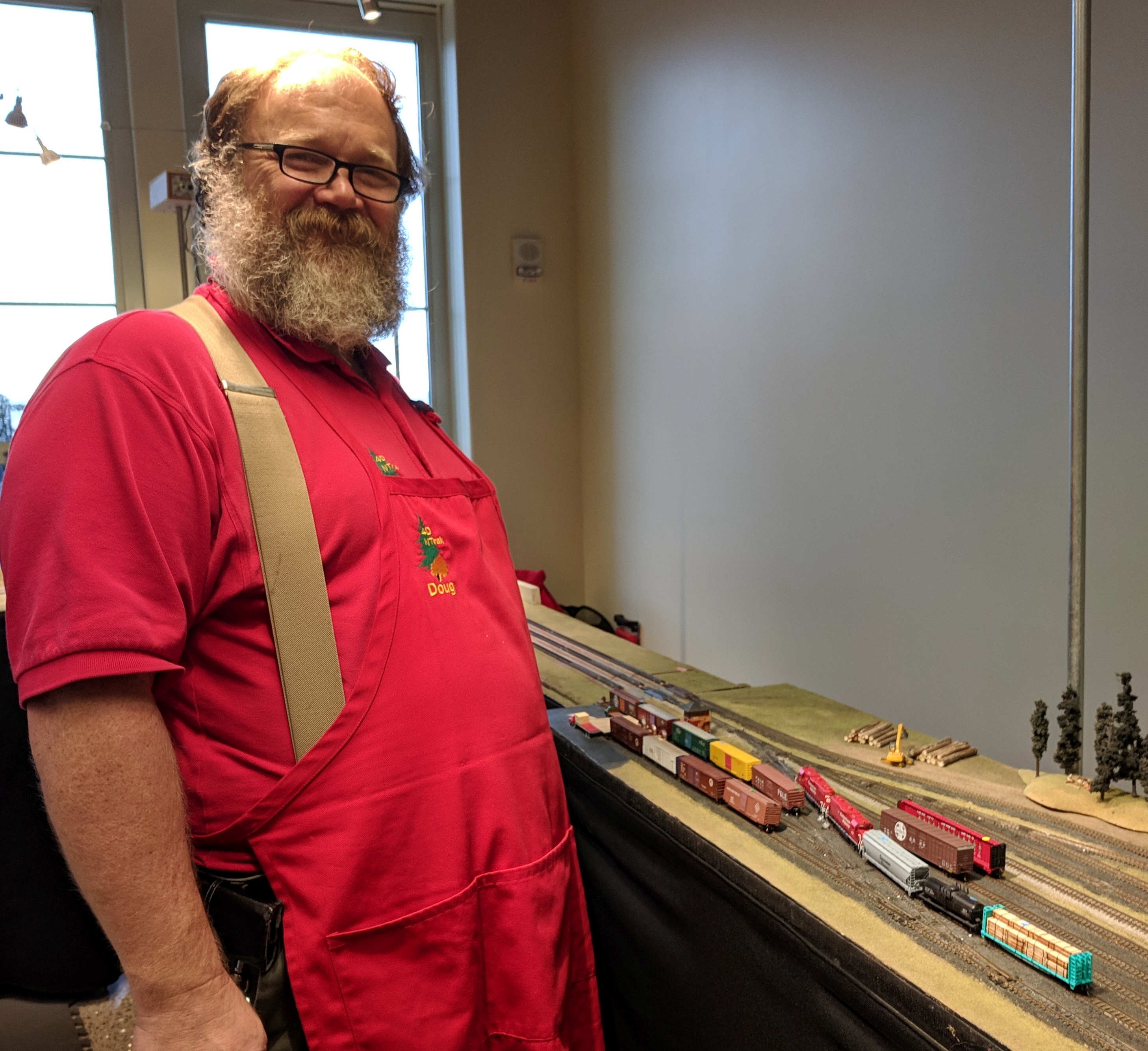
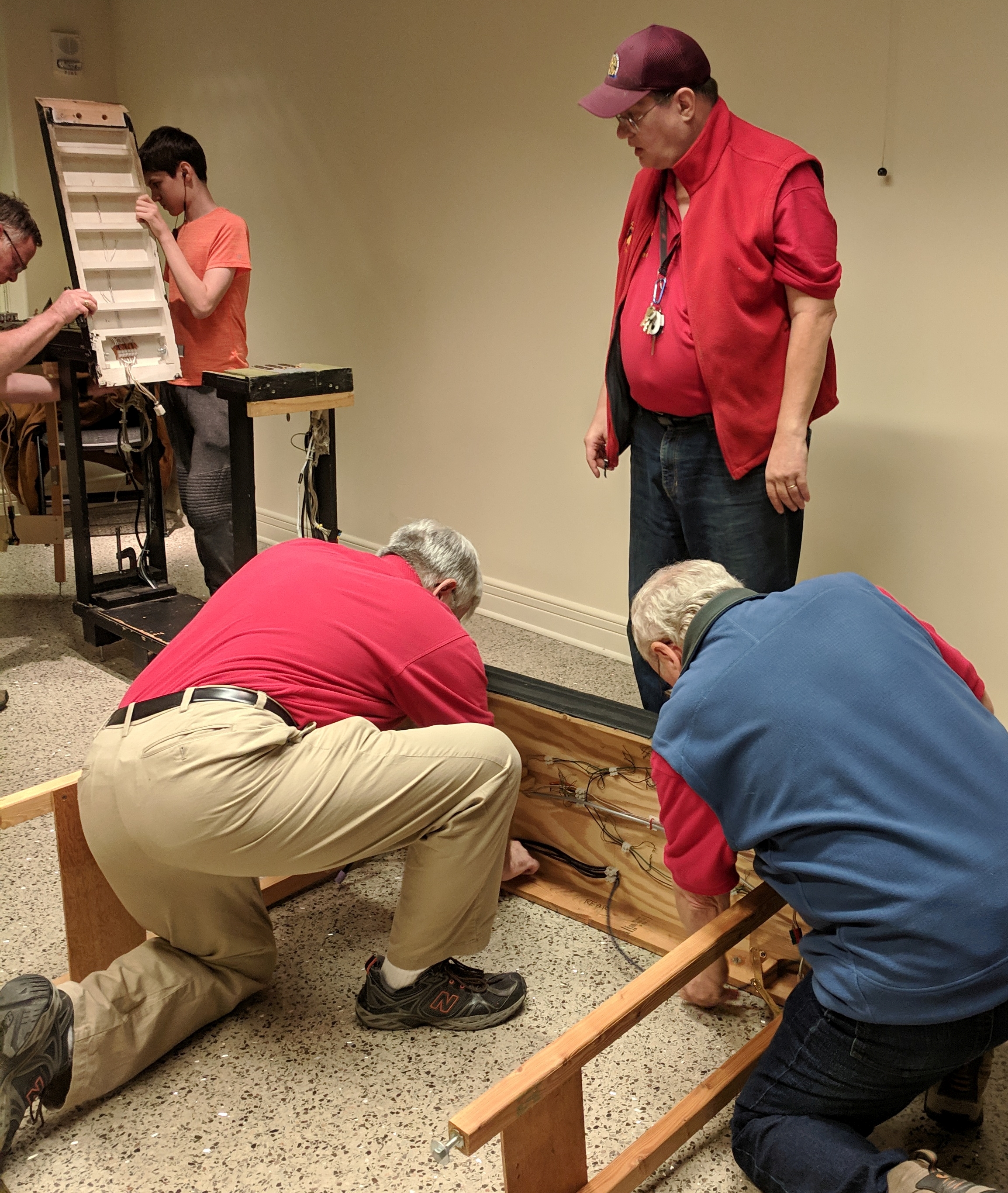
The Fourth Division celebrated November, which is National Model Railroad Month, with the Museum of History and Industry (MOHAI) over Thanksgiving weekend. Three of our modular groups had a great weekend: Hi-Railers, HO and NTRAK participated, along with a small On30 demonstration module. Attendance at MOHAI was way up and we received many positive comments from the public and MOHAI staff.
A BIG “Thank you” to those who set up and operated for three full days:
Hi-Railers: Sam Hayden, Gordon Sandell, Ed Ives, Woody Mathews, Dan Peters, Craig Ives, Marc Sachnoff, Mark Elster, Christoff Elster, Dave Enger, David Yadock
HO: Brian Pickering, Larry Sloan, Rob Staples, Aidan Murray, Lisa Murray, Ian Murray, James Monroe , Lou Davis , Bruce Davis., Mike Slease
4dNTRAK: Al Lowe, Dave Cook, Dennis Terpstra, Doug Bulger, Kurt Laidlaw, Mike Donnelly, Neil Clift, Peter Clift
On30: Russ Segner, Dan Kellogg, Robin Peel
Click on any photo to enlarge

Our November meeting opened by finding ourselves rudderless—Chair Rich Blake was out-of-state on business—and room-less as well. Due to an overbooking our usual large meeting room at the Summerhill facility in Oak Harbor was well-filled by another group, who—possession being nine-tenths of the law–were not inclined to share. Some quick footwork by Susan Gonzales and others got us relocated into two smaller rooms, where a (covered) pool table in one soon found use as swap and snack table, and chairs moved into the second got us set up for the evening’s program. Cliff Aaker had brought the A/V equipment so were ready to go with Mark Malmkar giving an interesting and entertaining talk on the Railways of Russia. Mark had given this talk the week before at the Mt. Vernon Clinic to rave reviews, so we were pleased he was able to repeat it for our group.
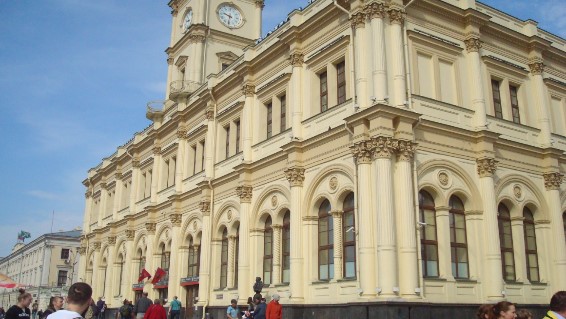
An example of classic Russian architecture.
Mark and his family had a great opportunity to visit Russia for two weeks in May of this year, which included a railroad-themed tour of several stations, museums, subways and other facilities in both Moscow and St. Petersburg, as well as an overnight journey by train between those two cities. He showed over a hundred photos and we can’t reproduce them or the whole story that went with them here, but a handful are included below to give readers an idea.
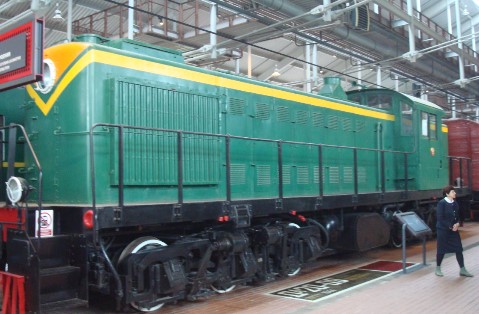
Russian Alco RSD-1 C-C coupled loco provided under wartime lease agreement during WWII from the USA.
The Russian rail system of today, although contracted somewhat from its Soviet-era size, is 53,100 miles in length, most of which is built to the curious gauge of 5 feet. (For purists, it’s actually 1.520 meters or 4 ft 11 and 27/32 inches!) This wider than standard gauge was useful during both world wars by making it more difficult for Germany and its allies to run its trains into the Soviet Union, but it actually originated way back in 1841 with the construction of the Moscow-St. Petersburg route. Mark’s photos clearly showed the pride that the Russians have in both their current railway and its history. Stations are immaculate, with Moscow’s subway system being particularly famous for the ornateness of and artwork in its stations. Mark’s photos showed immense escalators in some of the stations; the longest is 413 feet long accessing a station 275 feet below ground. High speed trains have entered service on the mainline network as well.
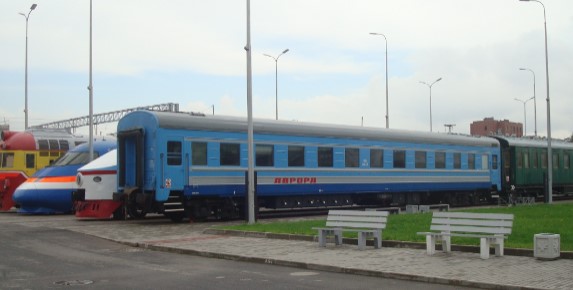
Russian Passenger train display.
Rail history is well preserved in several museums. One relatively new one, dating from only 2009, in St. Petersburg would take a full day or more to see properly, Mark said. Interpretation is presented in several languages so foreign visitors can read about the full history and use of displayed locomotives and rolling stock. Mark was surprised to find some remaining steam locomotives in apparent ordinary use, although most, as elsewhere, are found on excursions. Russian steam was famous not only for its variety but the large numbers (by European standards) of locomotives built of single wheel arrangements. Ten-coupled locos, 0-10-0’s, 2-10-0’s, and 2-10-2’s predominated; a staggering 17,400 2-10-0’s were built in several classes (this total included over 2,000 decapods from Alco and Baldwin, the Amerikanskiis).
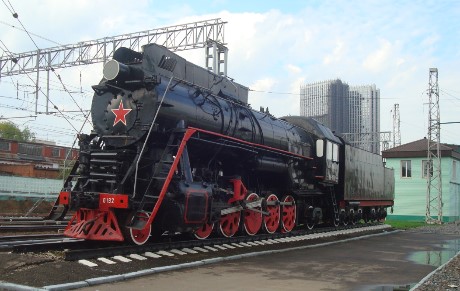
Big 2-10-2 Russian Decapod
Mark’s visit happened to coincide with a May 6th military parade, which he and his family were able to view comfortably from their hotel room window—a seemingly endless procession of rocket launchers and other hardware, including remotely-piloted tanks and helicopters enlarging on the drone concept. Many thanks to Mark for a fine program about the railways of Russia, a place that not many of us may get to.
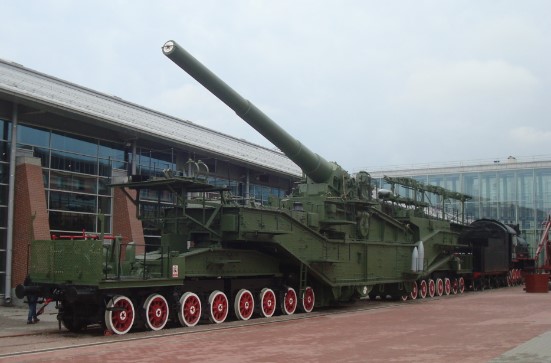
Rail mounted artillery cannon.
I attended the Annual Meeting of the Northwest Railroad Archive last Wednesday. The vision of Northwest Archive is to “Promote world-wide access to Pacific Northwest railroad heritage.” We share many common threads with this effort. Many of us model Northwest railroads, the towns and cities they served. So, we benefit greatly from the vast collection of information, photographs and maps the volunteers there make available to us on line. Where would we be if someone had not taken the time to make those photos and plans available to the manufacturers and writers of books and periodicals about railroads?
We, in turn have many opportunities to share our interest in railroading with the broader public when we take our modules to train shows and several public events. This year over Thanksgiving we will have three modular layouts plus a small On30 display of mine at MOHAI in Seattle. Like our annual show at Pacific Science Center, this effort will need lots of volunteers to help. Our modular guys build and bring their models, but they could use some help with the crowds and spell the operators for breaks.
So, if you have some time to give, Friday, Saturday or Sunday, give me a call at 206-200-2211 and I will put you in touch with one of the modular groups.
Russ
East Side Get Together Clinic Report, November 15, 2018
The November gathering of the East Side Get Together Clinic at the Redmond Community Center commenced promptly at 7:13 Thursday evening by Alex Brikoff. VIPs in attendance (4D PNR Officers and Master Model Railroaders) were introduced as well as some folks that we haven’t seen for a while. Some upcoming events of interest were announced.
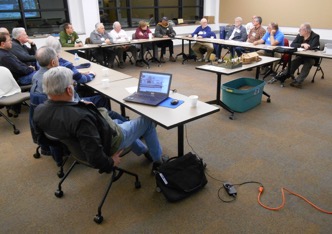
Clinic introduction by Alex Brikoff
The first annual Seattle MOHAI Train Show at the MOHAI Museum (Museum of History and Industry) on south Lake Union will be held over Thanksgiving weekend. There will be three modular groups in attendance as well as a small number of single person displays, all from the 4th Division.
The show hours are:
Volunteers are NEEDED and are asked call Ed Ives 425-391-3313 or e-mail Gresley7@gmail.com.
The Pacific Science Center Train Show is at the Seattle Center during Martin Luther King Day weekend on January 18 through 21. Volunteers are also NEEDED and are asked to contact David Yadock for more information and scheduling.
The March 2019 East Side Get Together Clinic will be our Mini-clinic Event called “How I do Stuff on my Layout”. It will be a series of ten-minute presentations of favorite modeling methods presented by members and attendees of the Eastside Clinic. Three of six slots are already taken, so we need three more volunteers to round out the evening. The signup sheet will be at clinic through February.
The evening’s presentation was “Create Scale Detail from Online Images” by Bob Rorabaugh. Online photos of “real” materials and details are printed to scale and used to replicate those same details in a representative model scene. Bob showed his techniques and shared his thoughts on portraying a scene of activity with considerations for viewer perspective with a diorama. Bob also showed and passed around some actual samples of the items he used in his model work.
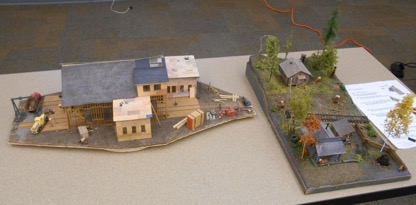
Bob’s models with scale detail