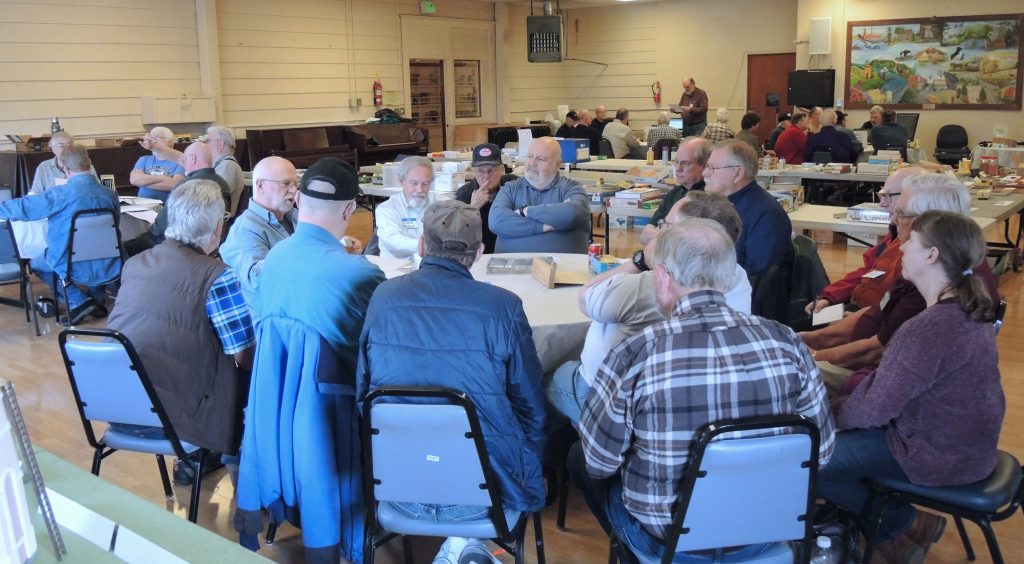
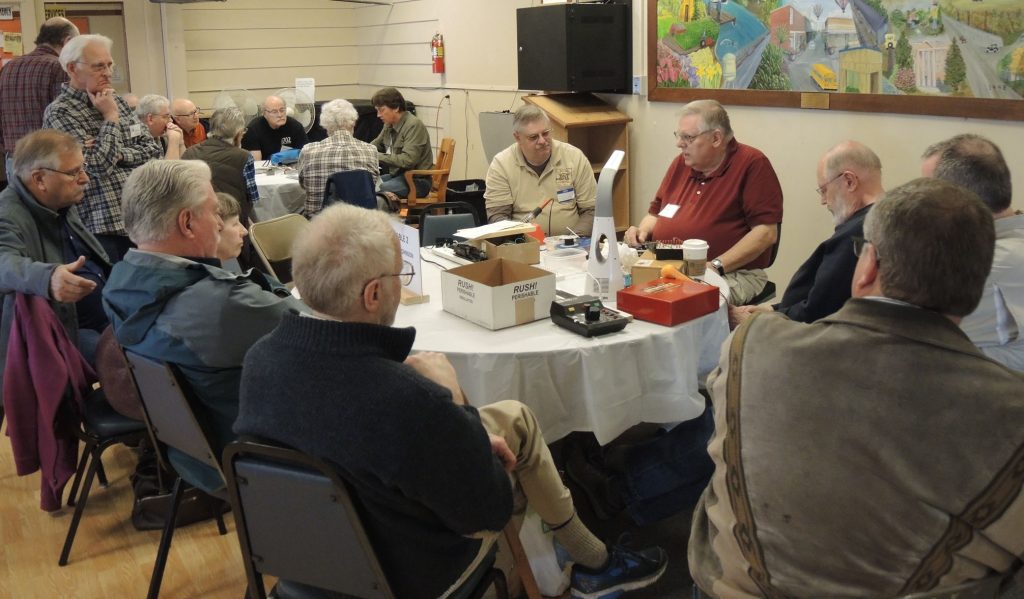
The April 2019 Eastside Get Together Clinic will meet on April 18,
2019.
The Clinic will
meet at the:
Redmond Community Center at Marymoor Village 6505 176TH AVE NE, Rm. 202 REDMOND WA 98052-4930
Doors open at 7:00 PM and meeting
starts promptly at 7:15 PM
We will be mentioning noteworthy, upcoming
model railroad and railfan events in the area.
We will also have our Model of
the Month and Rail Photo of the Month contest. Don’t pass up this opportunity to show off
your modeling and photography skills!
Bring your latest scratchbuilts, kit bashes or plain cool looking models
to compete with your fellow modelers for the coveted Model of the Month
award. Also, be sure and bring photos
from your latest railfan trip! Remember,
if it’s on rail and you have a photo of it, you’re good to go!!
Bob Rorabaugh will also have the “Buy ‘n
Sell” table available during the evening.
So if you’ve got anything model railroad related you’d like to find a
new home for, contact Bob and he’ll help you do that.
This
month’s Clinic Topic will be: “Building
and Detailing Specific Scenes”. John Paschal will be here to present
an encore of his clinic that he presented at the recent Sn3 Symposium in
Bellevue. If you weren’t able to see it
there, here’s another opportunity for you to do so. John is an outstanding modeler that I’m sure
we can all learn from as far as adding detail to particular areas of our
layouts and how to add that extra eye-catching bit of detail.
We will have door prizes, refreshments and snacks available as
always.
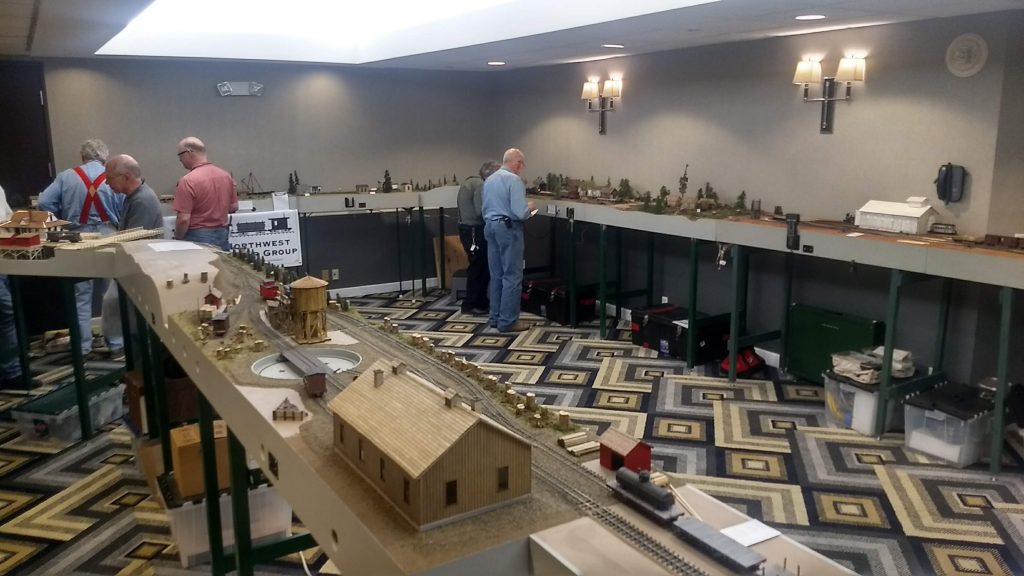
Overview of the PNW On30 Modular Group setup at the Sheraton Hotel in Bellevue WA.
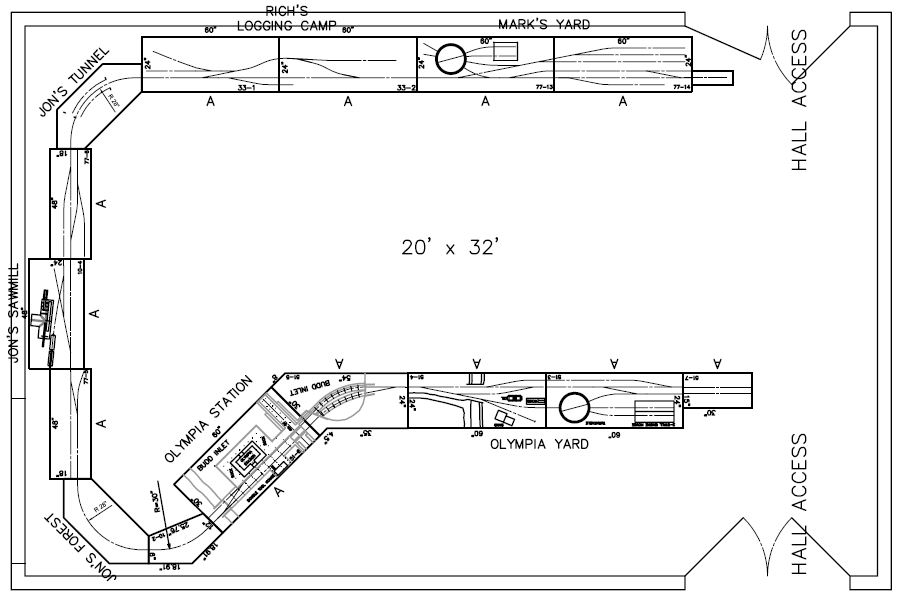
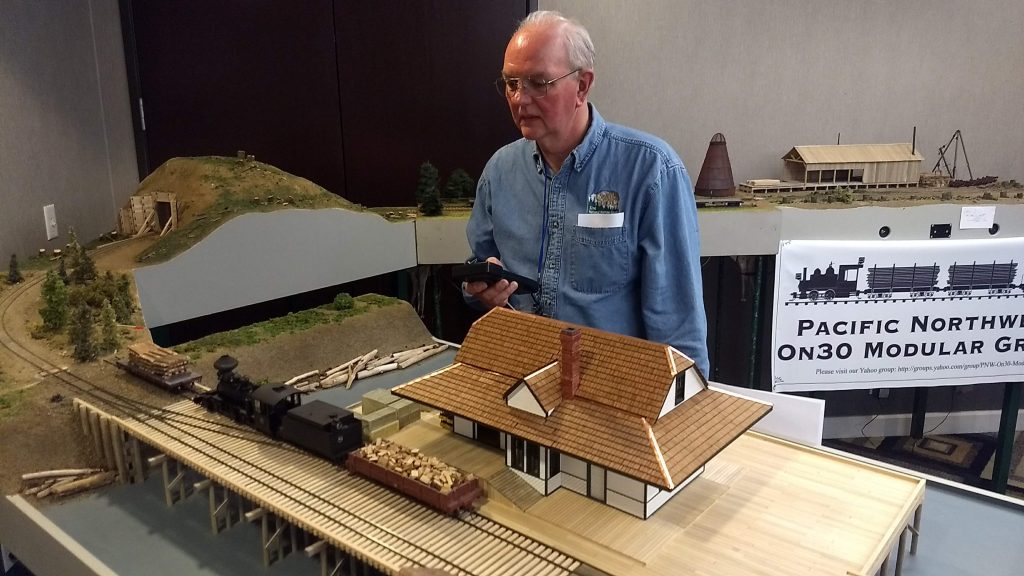
A nice change of pace however was afforded to our group with an invitation to the 34th Annual Sn3 Symposium at the Sheraton venue in Bellevue WA April 4-6 2019 from 4D Superintendent Russ Segner and Sn3 Symposium coordinators Robin Peel and Dale Kreutzer. This is a niche event that is similar to the National Narrow Gauge Convention but mainly focused on “S” or 1/64th scale. Although the space was smaller than our usual huge open train show venues, PNWOn30 Superintendent and CAD expert Alan Murray managed to design a layout to fit in the space that allowed for a nice point to point configuration providing a lot of operating opportunities.
PNW On30 layout configuration for the Sn3 Symposium.
Alan along with PNWOn30 members Jerry Barnes, Jon Bentz, Rich Blake and Mark Clemmens set up the layout on Thursday April 4th in a well lit private space in the hotel. Even though we are 1/48th scale or O scale, the layout was a welcome attraction for the Sn3 Symposium participants and generated a lot of interesting discussion on modeling, construction of modules and DCC system control (we use NCE).
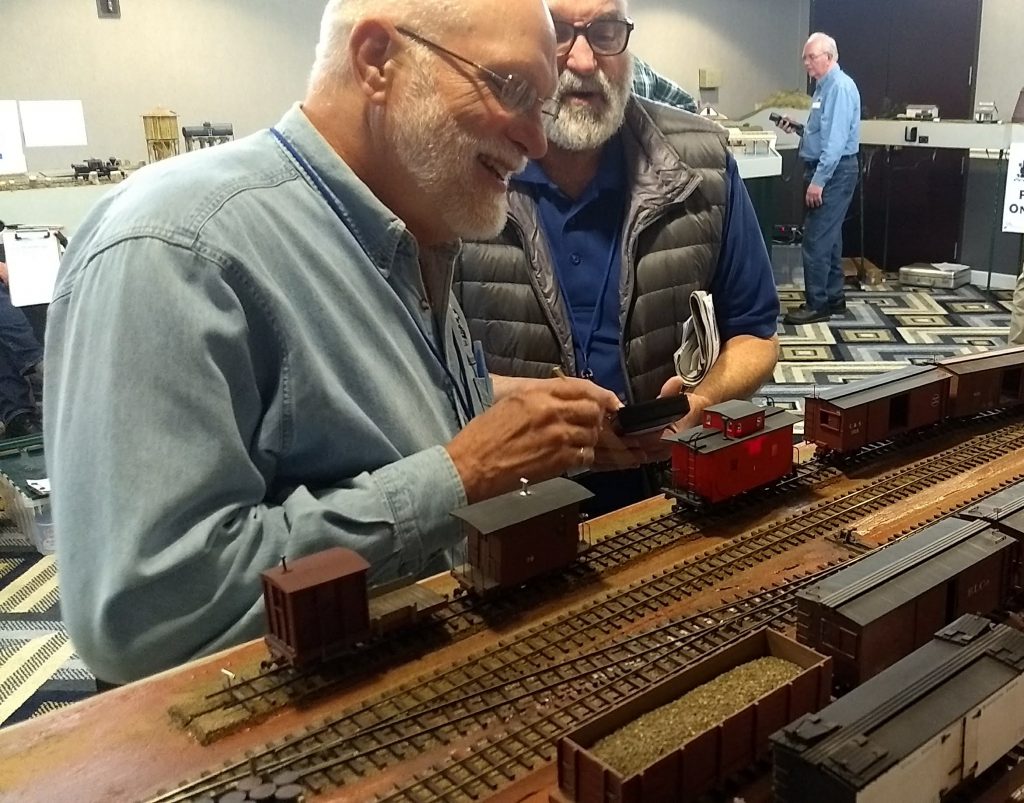
Chick Sweeny and John Dodds building up a train on Mark Clemmen’s yard modules.
Something new for the symposium and our modular group, was that we opened up the layout to guest operators on a fixed time schedule throughout the open viewing periods of the show. Normally we just operate with our own modular group members at shows but this time we opened up the layout as a bonus operating opportunity and ended up with twelve guest operators on the crew call list over the course of three days in five different sessions. Rich Blake ran the layout as Dispatcher/Trainmaster while the rest of the PNW On30 crew assumed yard and crew assistance duties for our guest operators.
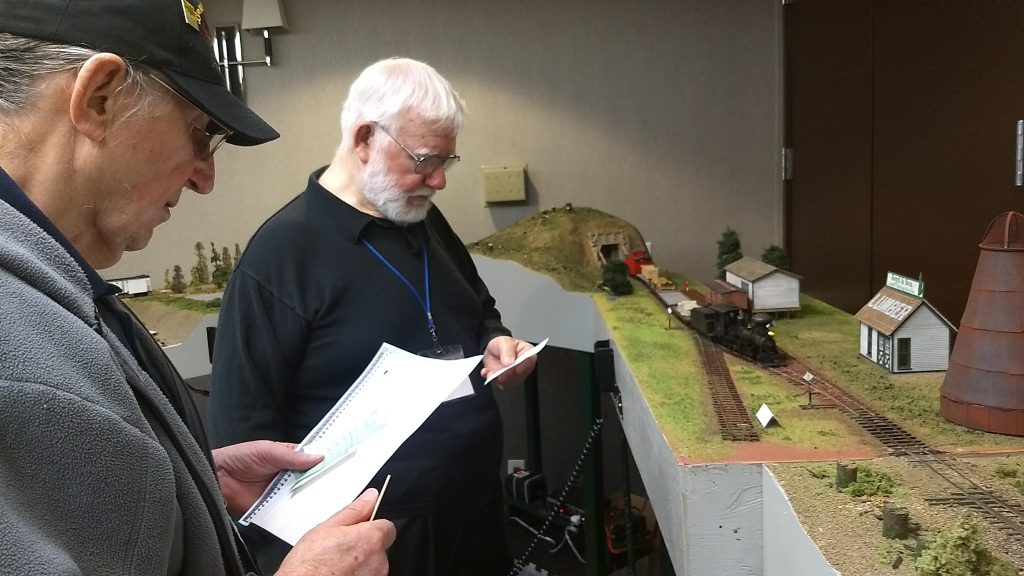
Jerry Barnes and Byron Osborn reviewing their orders and switchlist at the busy Sawmill Siding area. Bob Stafford switching the house track at Olympia Station.
We had several “old hats” as well as a few “noobs” to operations who learned a lot about this very intensely engaging aspect of model railroading. Our operating schema utilizes Time Table and Train Order rules typical of the early 1900s. We also use Java Model Railroad Interface (aka “JMRI”) Operations Pro to manage car inventory and generate switchlists for yards and industries. The operating style is laid back and slow moving but every train has a purpose and work to do. A typical job for a conductor/engineer two man crew would take about an hour to complete which was perfect for the time slots we had for guests.
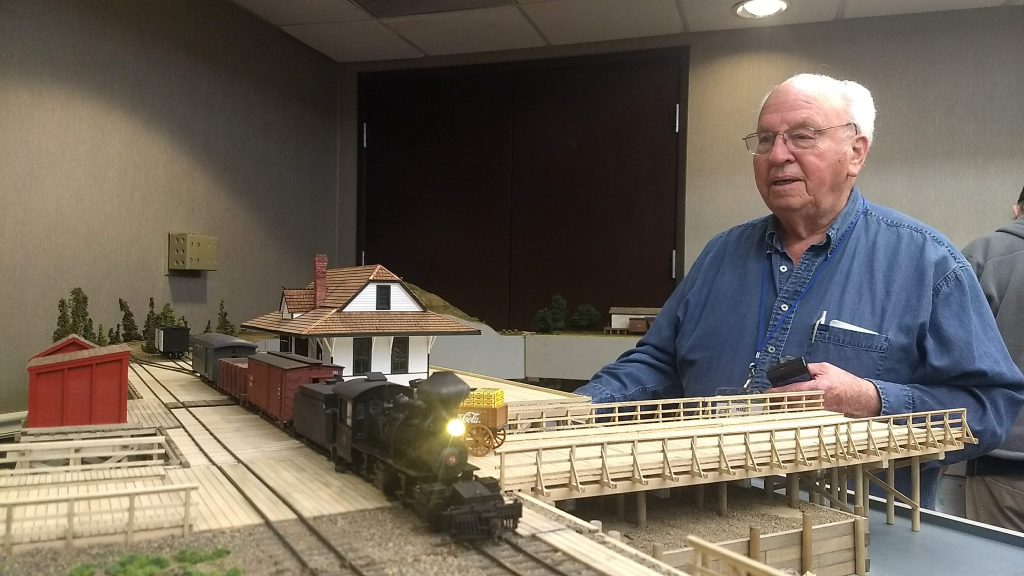
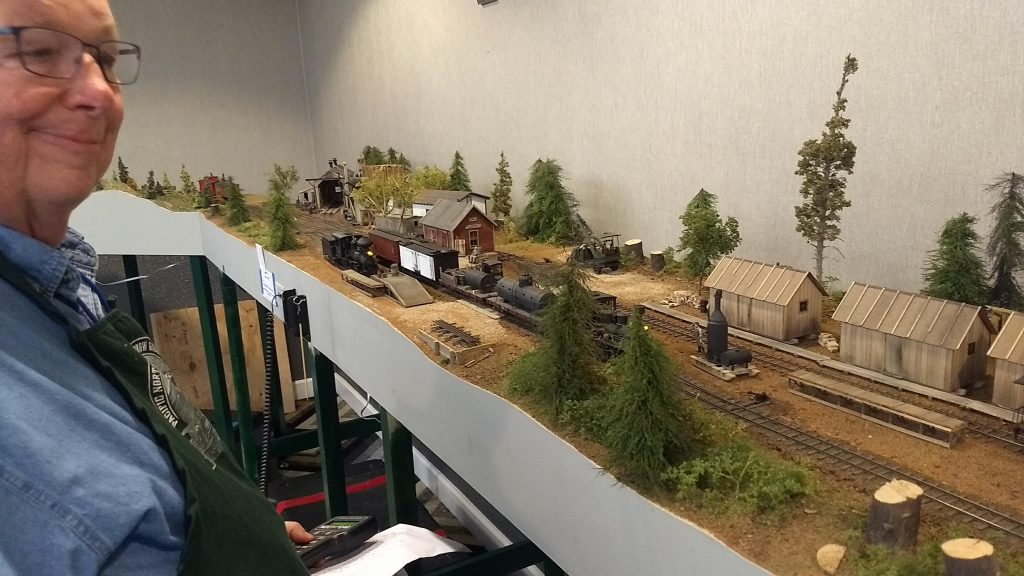
Ron Auletti running the morning westbound mixed at Alan Murray’s Olympia Station.Ed Roach enjoying his time working the Bay Lumber Company Camp 4 module.
Overall it was a great event and our group would especially like to thank all the enthusiastic operators who brought the layout to life as well as the coordinators of the Sn3 Symposium who provided the great space and support. If you would like to see our layout or are interested in operations, stay tuned here on the Grab Iron for show announcements or contact us via the Module Programs section of the 4D website or the PNW On30 website.
A few more shots from the event:
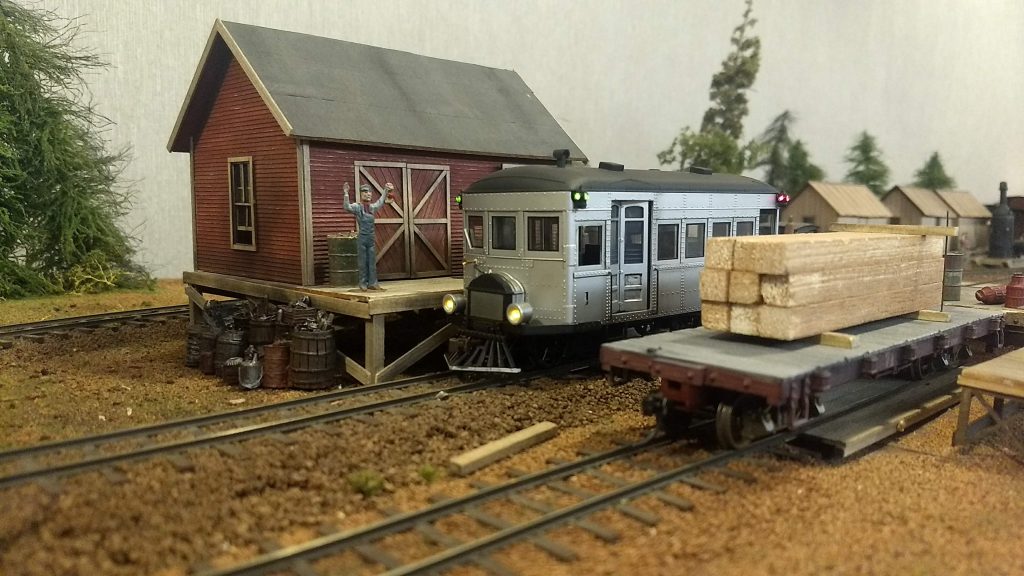
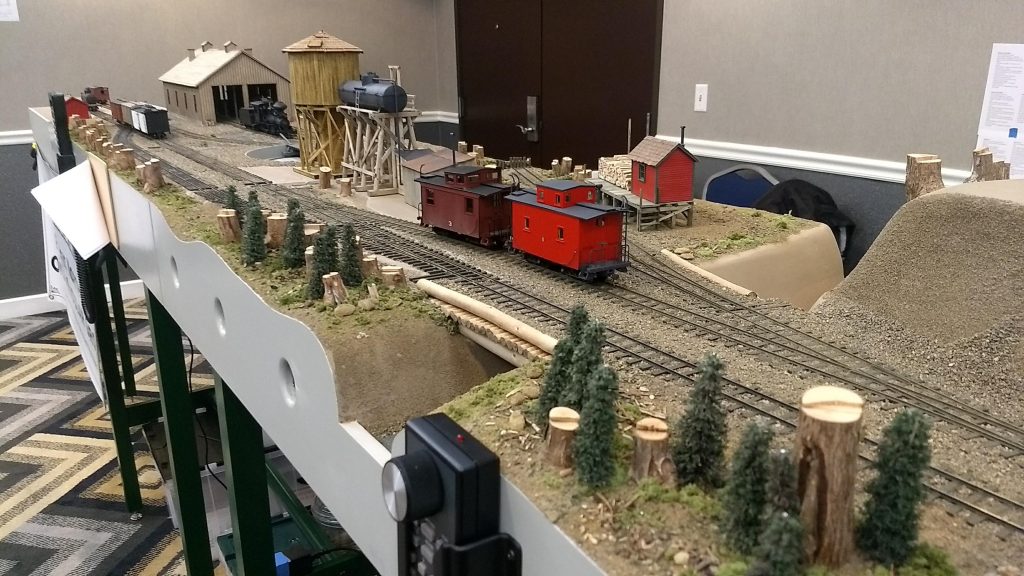
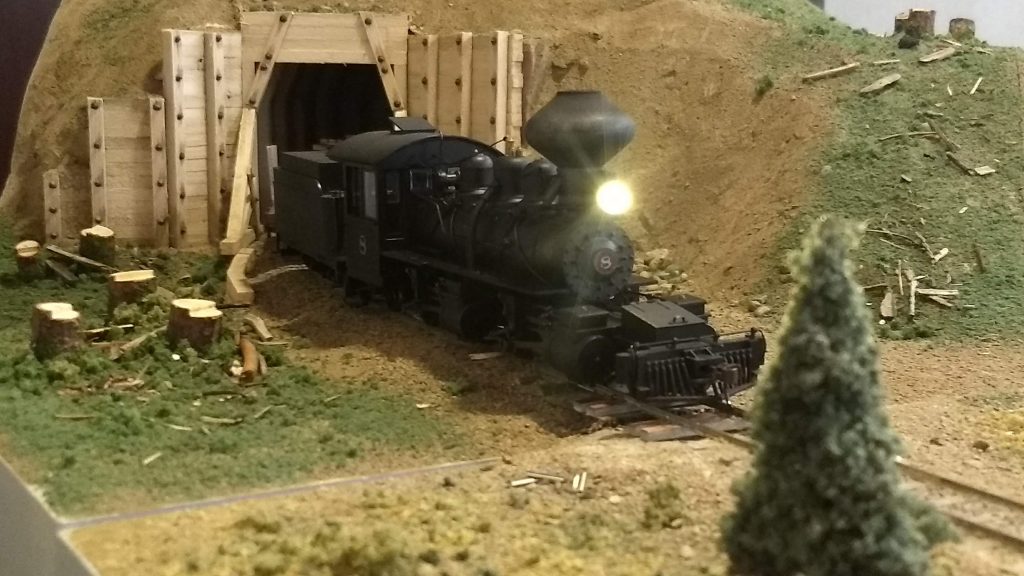
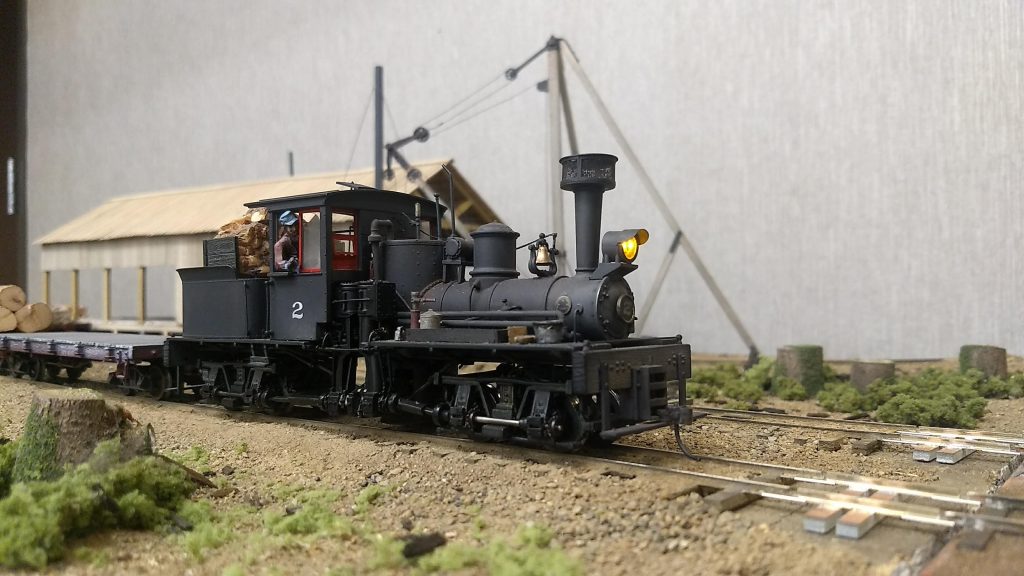
Motor No. 1 of the Nemah Valley Narrow Gauge making a stop at Camp 4. (Module and models Rich Blake)View of Alan Murray’s Olympia Yard section with locomotive servicing and turning facilities.The No. 8 2-4-4-2 of the Nemah Valley Narrow Gauge emerging from Jon Bentz’ Tunnel module.Bay Lumber Company No. 2 15 ton “Tee” boiler shay. (Model by Rich Blake) Bay Lumber No. 2 shay working Jon Bentz’ sawmill module.
Registration is now open for the annual 4D Spring Meet, to be held this June 22nd in Tacoma. We have many Master Model Railroaders signed up to educate, entertain, and amuse you — 11 clinics in all, including a Make & Take Clinic.
Quick! Head over to http://www.4dspringmeet.com/ and register today. If you pay in advance with PayPal, you’ll get a free lunch. (Of course, you can procrastinate, register the day of the Meet, pay the same amount, and get no lunch — it’s your choice!)
So click here and register today. You can thank me in Tacoma!
Fellow Model Railroaders, It’s time for the 7th clinic of the season. Master clinicians Jack Tingstad and Mark Malmkar will present layout planning for operations Lessons learned. Jack will talk about how his 20 year old layout has evolved. This is going to be good.
Clinic will be at the Summer Hill retirement community (at: 165 SW 6th Ave.) 2nd floor meeting room in Oak Harbor on April 10th with a starting time of 7:00pm. The Pre Clinic Dinner is at Alfy’s Pizza in Oak Harbor (916 SE Bayshore Drive) no earlier than 5:15pm.
Also the watch for information on the upcoming train ride in Bellingham May 18th. I am sure we all want more of the fun we had last year.
The 3rd annual joint Mt. Vernon – Skagit Valley & Whidbey (“Oak Harbor”) clinic held March 23rd at the Mt. Vernon Senior Center was by all measures once again a great success. At least 58 participated by one count but it might have been higher; a few may have slipped by the registration table. Thanks are due the Mt. Vernon Clinic for organizing the event, for which logistics and venue were flawless. Also many thanks to the “women’s auxiliary” of the Skagit Valley & Whidbey group to lay on a fine lunch, which allowed attendees to stay at the Center and socialize instead of scattering all over Mt. Vernon: well done ladies!
Fig 1-Mt. Vernon–Oak Harbor Joint Clinic
Eight clinicians conducted
clinics in morning and afternoon sessions, each given twice offering
participants more opportunity to not miss anything:
Rich Blake – Hand Laid Turnouts and Soldering
Basics
Roger Johnson – Decoder Installation/General
Soldering
Don Jones – Passenger Car and Caboose
Lighting Options
Russ Segner – Layout Planning
Ted Becker – Introduction to Arduinos
Didrik Voss – Create Your Own Virtual RR with Trainz
Jon Bentz – Updated L-Girder Benchwork
Construction
Al Carter – Pan Pastel Weathering
Several swap tables also overflowed with “I gotta have that” items and most sellers seemed to carry home less stuff than they arrived with, so we hope they had a successful day sales-wise—or just clearing out some of those boxes under the layout. Other tables along one wall were filled with the annual contest entries—but more of that later.
Fig 2–Roger Johnson & Rich Blake Clinics
Before the lunch break, Greg Wright and Ted Becker, prior recipients of the 4th Division PNR NMRA Golden Grab Iron Service Award, presented this year’s award to Jack Tingstad (Fig 3). Jack has actively promoted the hobby for over four decades, participating in national, regional and 4th Division NMRA events, volunteering and opening his oft-published layout for many open houses. A founding member of his local area’s modeling group (now the SV&W NMRA Clinic), Jack has conducted dozens of clinics himself. Jack’s skills have earned him MMR 591. Jack was at the forefront of modelers keen on operations, and has also brought model railroading and the NMRA into the community. For fifteen years he opened his layout to the general public every Thanksgiving weekend, with extensive newspaper coverage, often welcoming over 400 people at each event, attracting many new people into the hobby. For good reason, Jack is known as the “train guy” on Whidbey Island. He’s well earned that title as well as the Golden Grab Iron Service Award.
Fig 3–Jack Tingstad Earns Golden Grab Iron
Next up, after the lunch break and judging of entries, the results of this year’s model contest were announced by contest organizer Mike O’Brien. Mike’s model railroad supply business also generously provided an entire tableful of prizes from which winners could select their choices. There were all together 17 entries in 4 different categories.
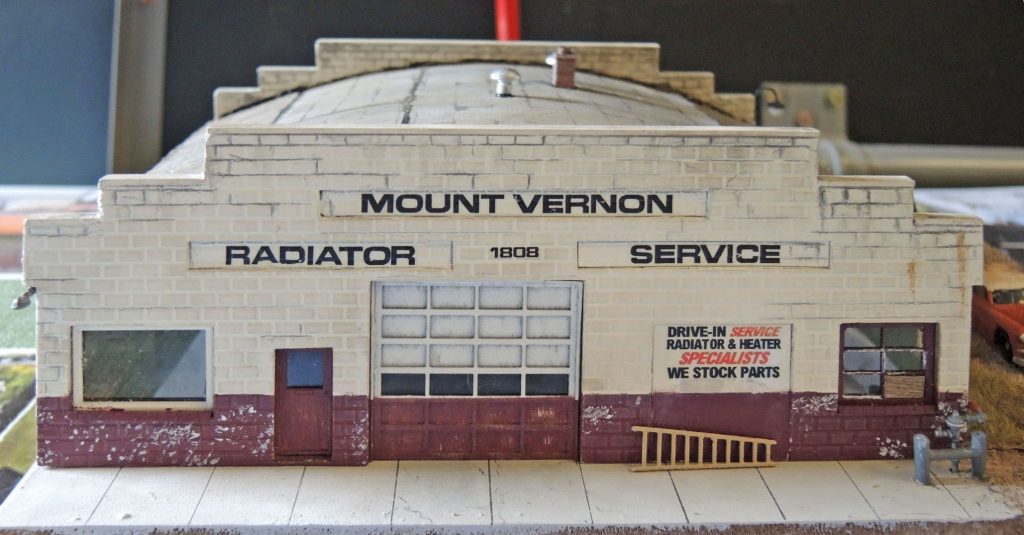
Fig 4–Scratch Structure 1st Place
First Place in the Scratch-built Structure Category was awarded to a magnificent reproduction in HO-scale (Fig 4) of Mount Vernon Radiator Service, located on S. 2nd Street in that Skagit County town. It was a team effort by Al Carter and Nick Muff who utilized CAD plans, laser cut wood and styrene, and finishing and weathering entirely as the original. It is one of those structures for which a single photo cannot do justice to the model. The model also won First Place in the Photo Match Category for most closely replicating prototype photographs.
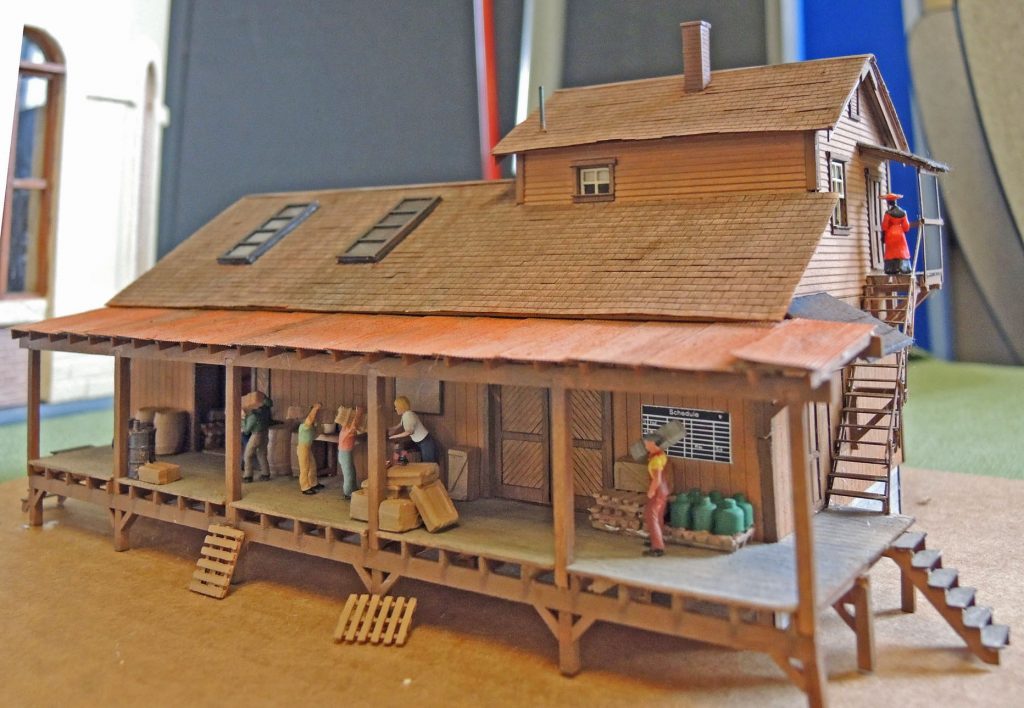
Fig 5–Kit Structure 1st Place
First Place in the Kit or Kit-Bashed Structure Category went to Jack Tingstad for his B.T.S. laser-cut generic warehouse, Master Creations kit #27106, again in HO-scale (Fig 5). Jack used Bragdon Chalks for weathering. Instead of etchants sometimes used to create “rust” on the corrugated porch roof panels, Jack used a combo of paint and chalk to create an equally-convincing result.
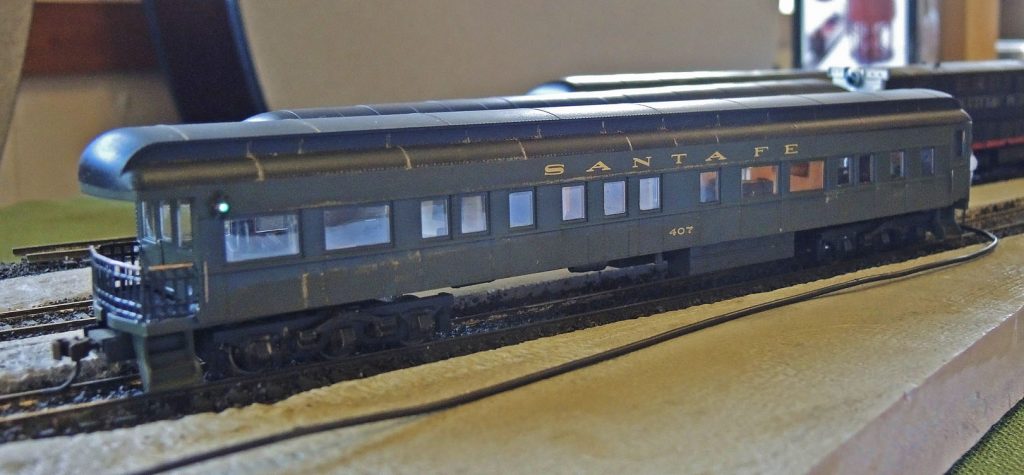
Fig 6–Rolling Stock 1st Place
First Place kudos in the Rolling Stock Category (scratch or kit) went to John O’Connell for his 82-foot Santa Fe Observation Car No. 407 (Fig 6). It is an HO-scale kit by Bachmann. John added a fully-lighted, painted interior; working marker lights; wall art; and owners and guests enjoying their posh ride.
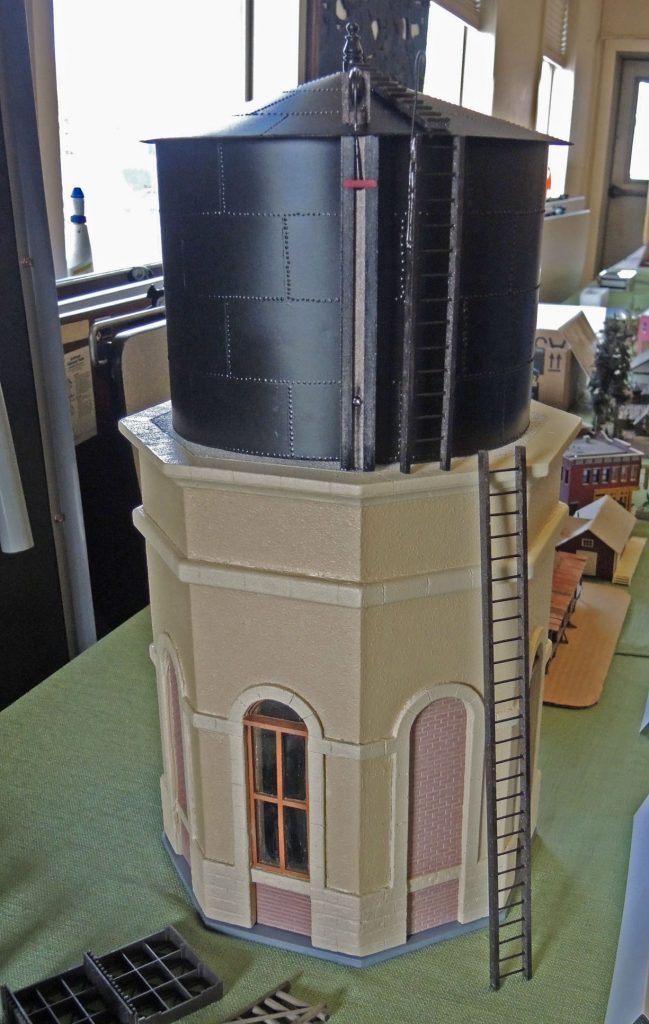
Fig 7–Scratch Structure 2nd Place
No, not every contest entry was HO-scale—to wit, see Fig 7. It’s the Second Place winner of the Scratch-Built Structure Category and was built by Doug Palm. Your reporter had to switch his camera from macro-mode to the distant scenery setting to capture this G-Scale behemoth. It’s a model of a water tower at the Gare d’Annot, France. The tank on top of the “water castle” has a capacity of 120 cubic meters, Doug wrote in his description of the model. Curious readers can do the conversion to U.S. gallons themselves—your reporter is tired.
Fig 8–Kit Structure 2nd Place
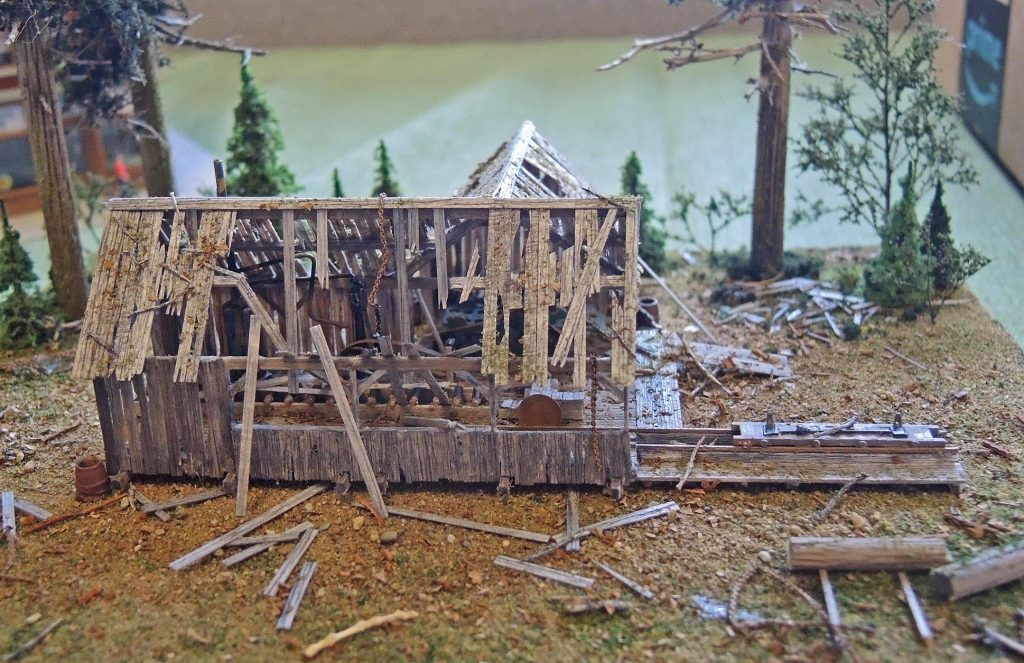
Second Place in the Kit or Kit-Bashed Structure Category was earned by Mike O’Brien for his Old Abandoned Sawmill located in the Oregon Cascades (Fig 8). Mike kit-bashed the N-Scale model, individually cutting, distressing, and weathering all of the boards. Another example where the photo can’t capture the detail of this impressive model.
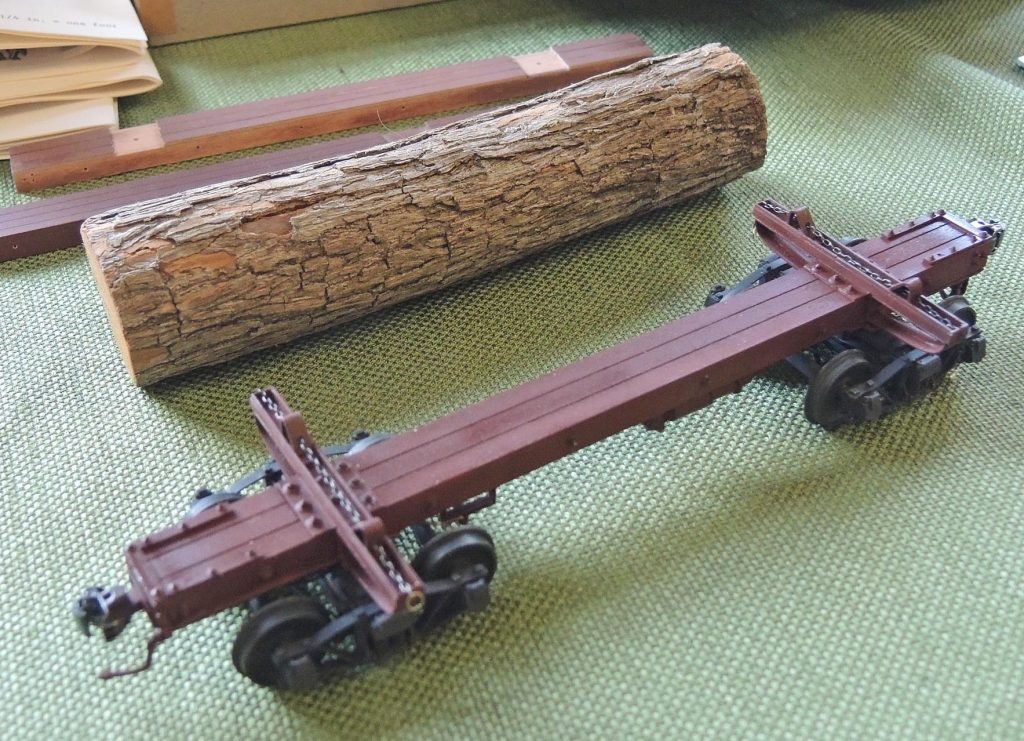
Fig 9–Rolling Stock 2nd Place
Last but definitely not
least, Fig 9 illustrates the Second Place winner in the Rolling Stock Category (scratch or kit) entered by Alan Murray. It’s a Keystone Model Works O-Scale log car
with brass core, Protocraft trucks, and Kadee couplers.
All the contest entries
including others we didn’t have space to show were excellent, and well-illustrated
the skill resident in both Mt. Vernon and Skagit Valley & Whidbey Clinic
modelers. We all look forward to a
repeat event in 2020!
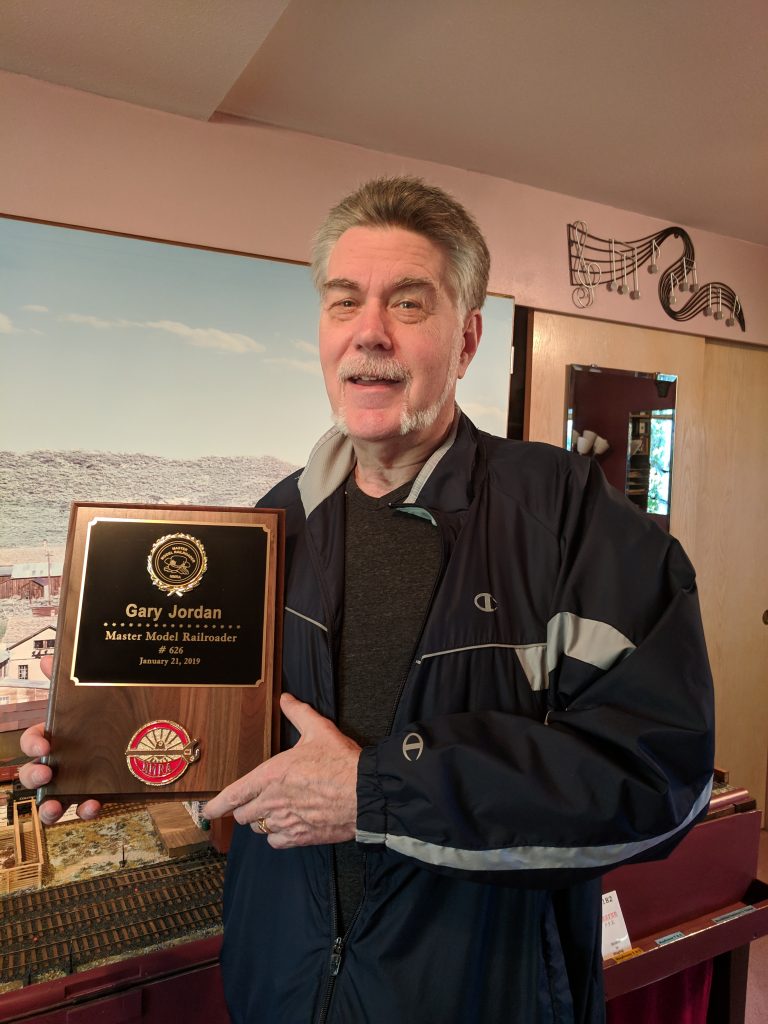
Gary is our latest MMR in the Fourth Division. He has earned his designation as #626 for his fine model building on his layout, The Gilpin Tram. This layout features O, On3 and On30 trackwork and includes a helix between two levels of his mining scenes.
Gary holds operating sessions on a regular basis. His layout has been toured by many of us and will be open during the April – 6 Sn3 Symposium in Bellevue.
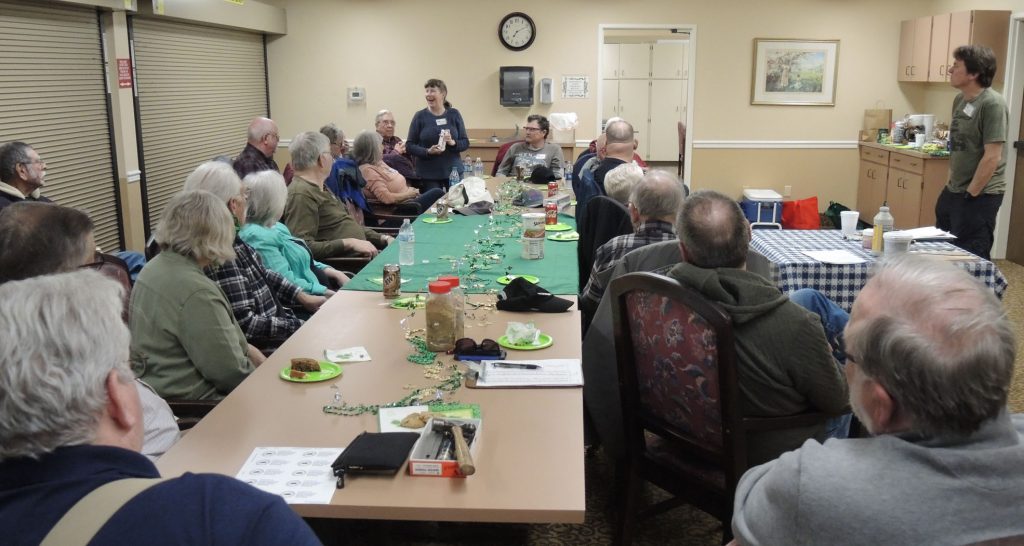
It wasn’t necessary for Clinic Chair Rich Blake to fire up enthusiasm. A St. Patrick’s Day mood was already in the air (Fig 1) at our March meeting, with green tablecloth, plates, hats and delectable cake (with green icing) laid out, all carried in by some of our keen members. Susan Gonzales (pictured, at end of table) announced our upcoming Lake Whatcom Railway outing (May 18th) as well as her work on recruiting. Susan created a small flyer for members to post in their towns to potentially attract new (younger?) members. Thanks, Susan; although our attendance is strong, we would be pleased to welcome more! Rich reminded all of the upcoming annual joint clinic with the Mt. Vernon NMRA Clinic on March 23rd, which will feature multiple clinics, swap tables, our annual model contest, NMRA achievement award judging, and more. Info is on the Grab Iron.
Fig 1 A St. Patrick’s Day Mood at the March Clinic
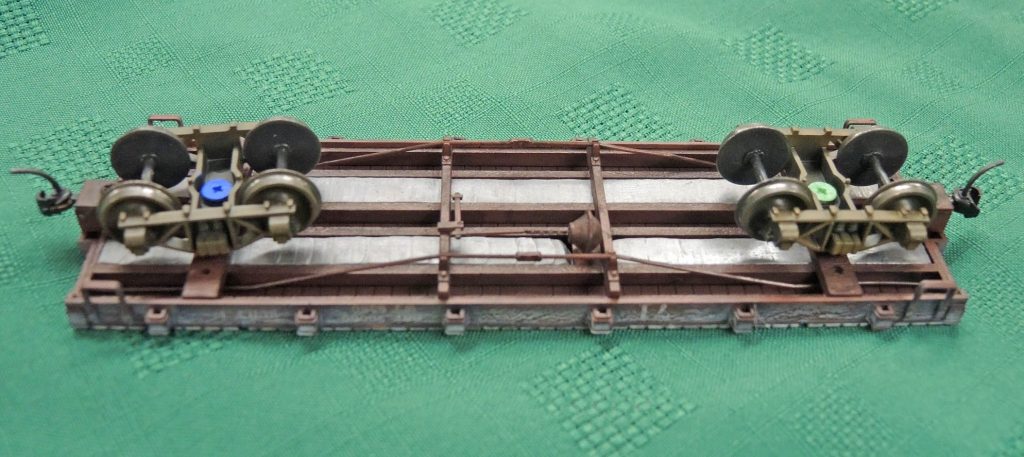
Alan Murray kicked off the evening by demonstrating a clever and simple way to add needed weight to Bachmann On30 flat cars. These are well-detailed, popularly-priced models but too light; Alan and his On30 modular group (https://www.pnwon30.org) endeavor to weight their cars to S-scale standards since no standards specific to On30 exist.
Fig 2 Alan Murray’s Car Weighting Method
Fig 2 shows the underside
of a weighted flat car using Alan’s method; two strips of lead are visible
imbedded between longitudinal frame members.
To fashion these, Alan starts with strips of ¼” diameter lead fishing
weight; it’s available in rolls in the fishing department at Sebo’s Hardware
stores or similar outlets. It turns out
to be just the right diameter that—when hammered into the frame as shown—fills
the spaces between the frame members perfectly.
(Trucks are obviously removed beforehand.) Following initial shaping with an ordinary
hammer, the job is finished off with a steel block and gentler hammering.
Cliff
Aaker was up next for
the main clinic of the evening, fashioning Roads
from Concrete Patch and Rocks
(and other things) from Concrete Crack
Seal. The selection of the right
materials is the key here, and Cliff tried several, so his trial and error will
save you a lot of time. He was led down
the right track by a video by Ken Paterson on making roads, which you can view
at https://www.youtube.com/watch?v=ZEhBYa9P-EA&t=1358s.
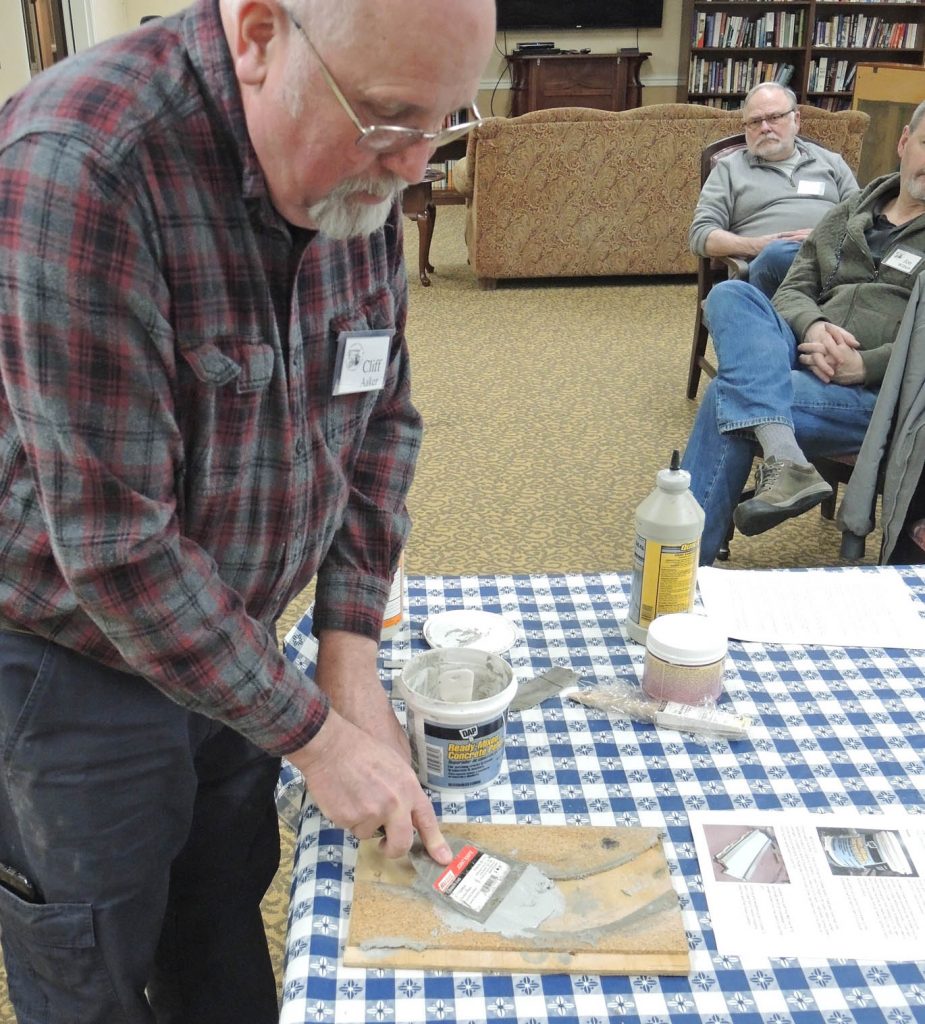
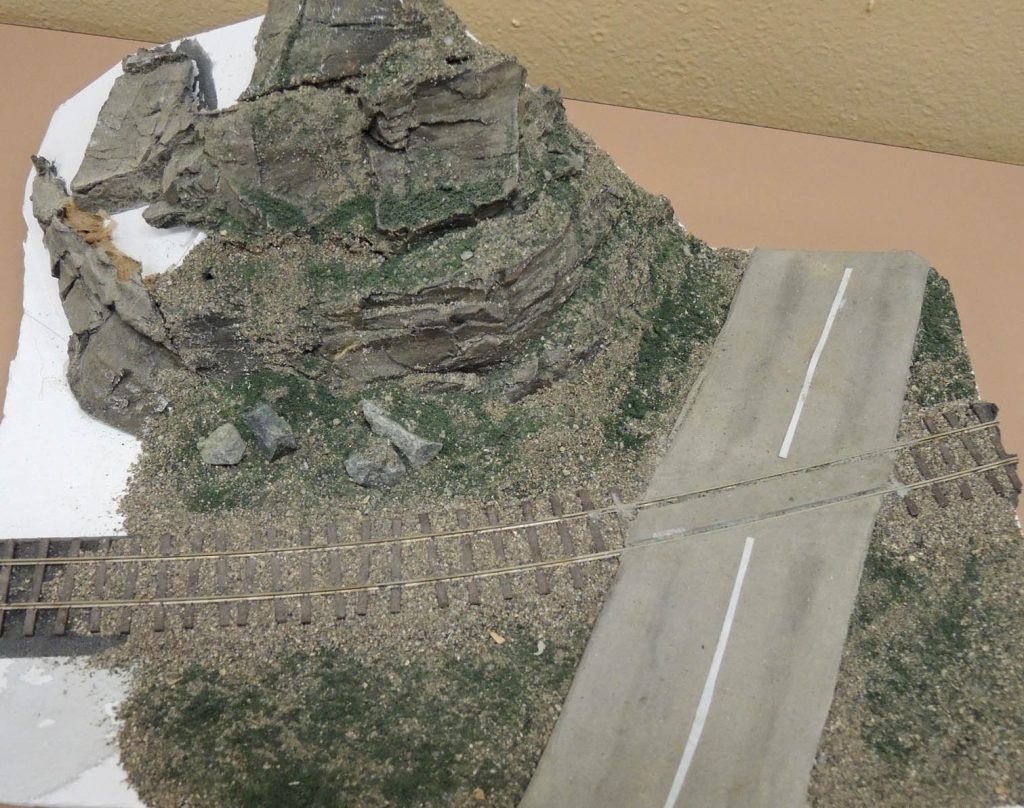
First, roads. Of many similar products, use only Ready-Mixed Concrete Patch by DAP. Other latex-based products may work, but acrylic-based will not. Cliff applies this product up to 1/8th” thick per layer and allows 24 hours to harden. It applies somewhat like drywall mud but you have to keep wetting your trowel (use wet water i.e. with a couple of drops of detergent) often to keep the compound from sticking to it. Also, keep the trowel as nearly parallel to the surface as possible and go slowly. See Figure 3. In this example Cliff is using a simple form of plywood and cork roadbed.
Fig 3 Cliff Aaker Demos Concrete Patch Roads
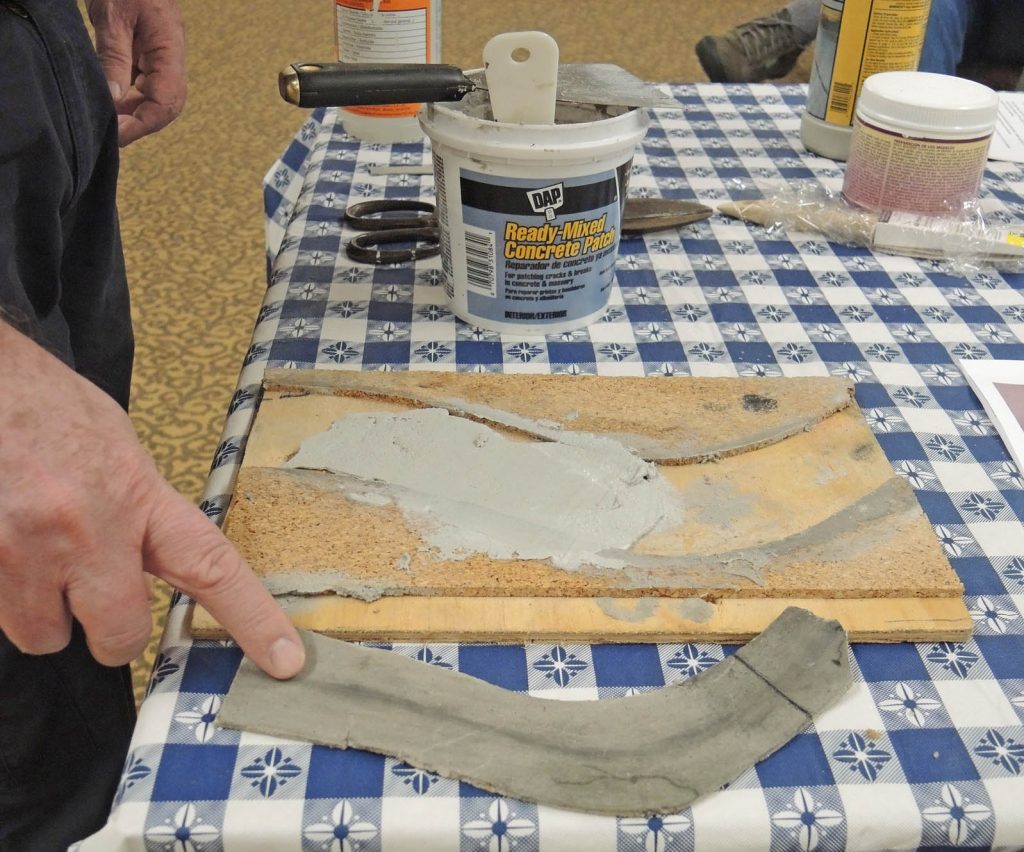
The concrete patch will shrink and crack on the first application. Applying a second coat is usually sufficient. After it dries, Cliff then sands first with #60 grit sandpaper followed by #120 and #400. Coloring and weathering are a matter of taste. One of the features of the patch is—well—it looks like concrete, so not too much effort is needed, as would be for, say, plaster or Sculptamold. Cliff uses India ink and Pan Pastel powders to age the pavement, and to add centerlines, joints and cracks. Potholes can be carved in later with a knife if desired. Fig 4 shows a section of finished road at the bottom, made from the same form. Another feature of the cured latex is that it is flexible, so you can easily create vertical curves in your roads.
Fig 4 The Finished Road at the Bottom
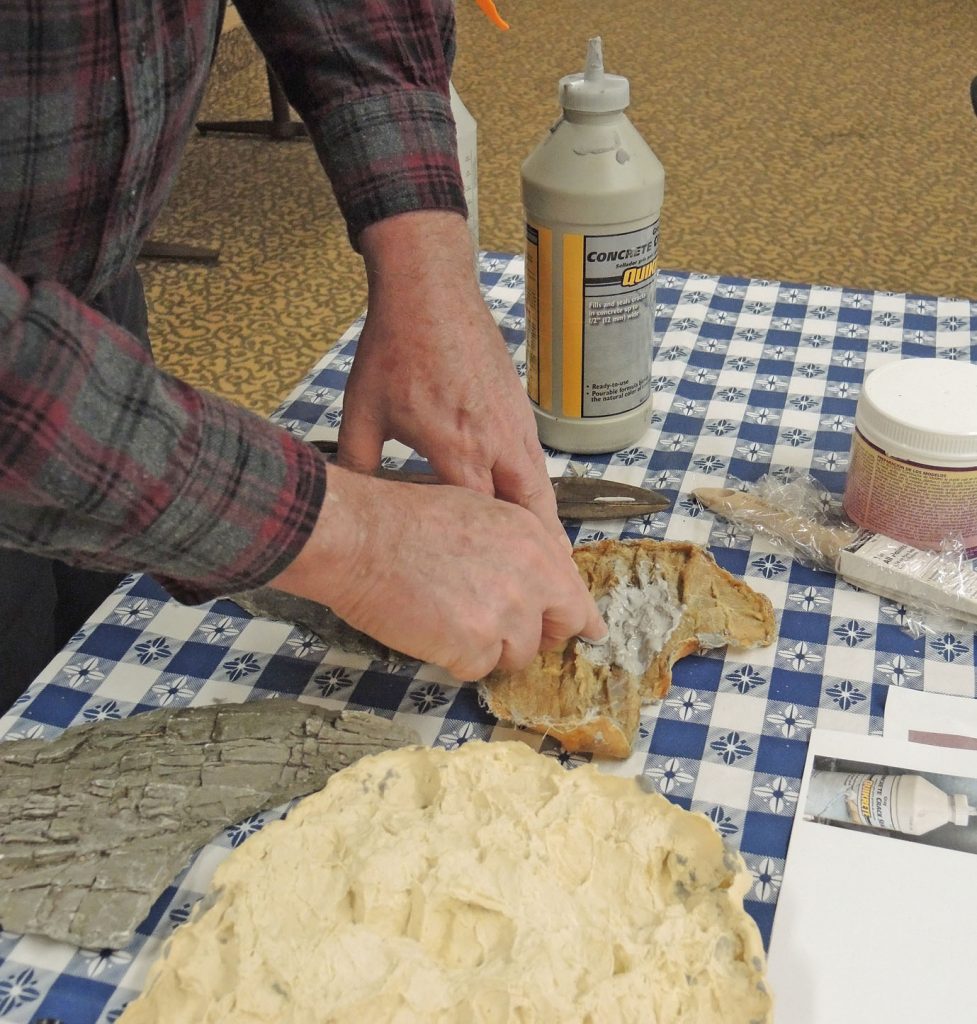
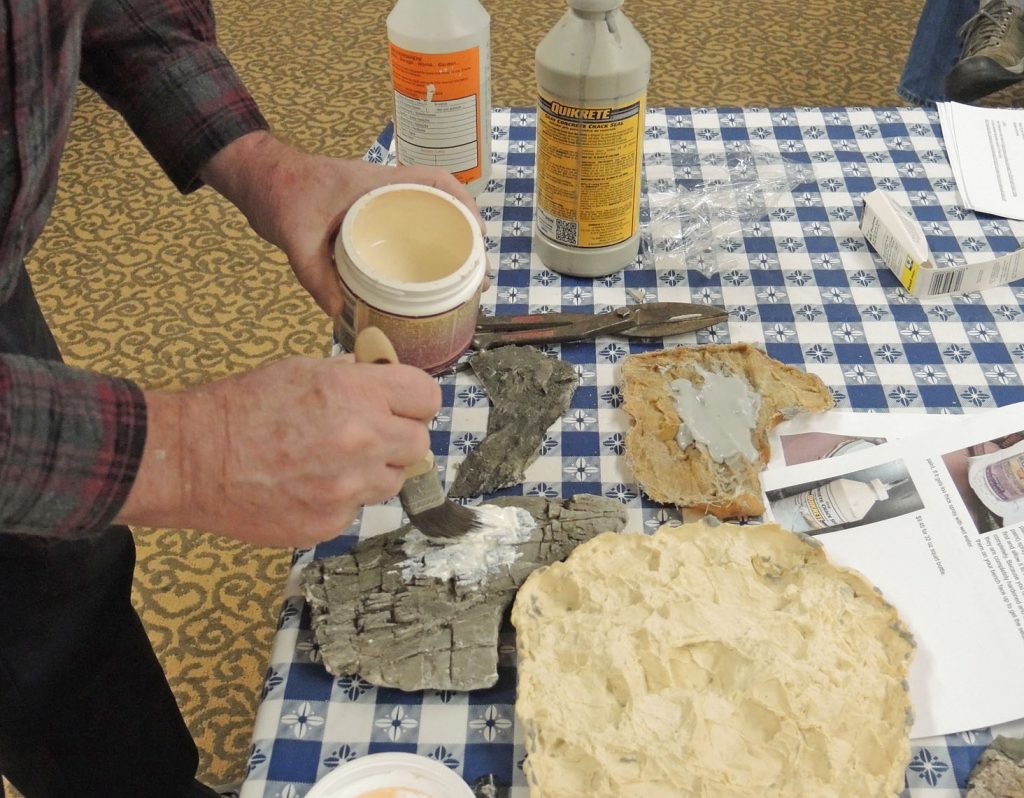
Moving on to rocks, a different concrete patch is used: Concrete Crack Seal by Quickcrete. In essence Cliff uses this material to make latex rock castings, using latex molds, in a similar way that plaster rock castings are made using these same molds. The end products are similar to—but far cheaper than–the so-called “rubber rocks” commercially available. The Crack Seal is much thinner than the patch material described earlier as it’s made to flow into cracks. That also means it flows into and conforms to tiny details of latex molds. In Fig 5, Cliff begins filling a mold with the crack seal material.
Fig 5 Rocks from Concrete Crack Seal
Perhaps surprisingly the Quickcrete material, despite being latex-based, doesn’t seem to stick to some latex molds, even without any mold release agent being used. Cliff has successfully used both home-made molds (such as the one he is filling in Fig 5) and Bragdon molds (bottom, Fig 5). However some have had trouble trying this material with Woodland Scenics molds, so experimenting with small pieces is recommended. If you run into an incompatibility, the crack seal material dissolves in alcohol before it cures.
Fig 6 A Sample Showing both Rocks and Road Using Cliff’s Methods
Fig 6 shows a small display piece with both a concrete patch road and some rock outcroppings made with concrete crack seal as above. The crack seal rock pieces can be trimmed with tin snips to fit neatly onto hillsides or into cuts and are glued into place with hot glue (high heat type). Crack seal doesn’t stain the way plaster does: you must paint it. Cliff uses acrylic craft paints diluted 1 part paint to 4 water applied with a squirt bottle. He does black first and allows it to settle into the cracks and dry completely.
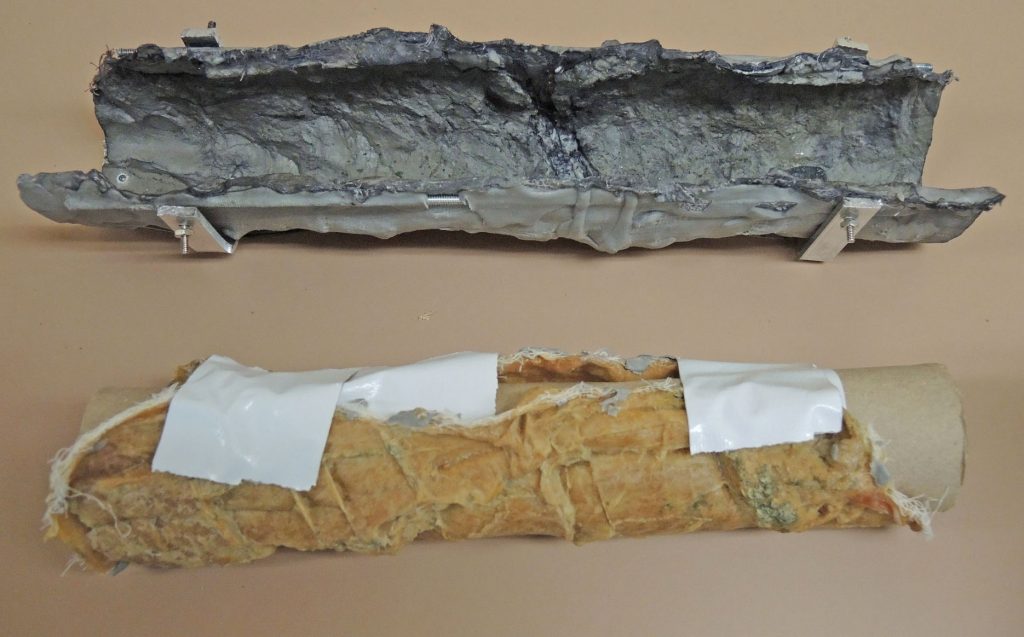
Fig 7 A Tunnel Lining for an On18 Ore Track
Cliff discovered other uses for the Quickcrete material. One example is shown in Fig 7: a tunnel lining for one of Cliff’s On30 modules. The module contains a small length of On18 ore track with ore cars shuttling back and forth using an automated reversing circuit. Train Show attendees would peer into the tunnel, Cliff said, and remark that it had no walls or ceiling. Easily fixed by using the crack seal to create a lining. The “mold” for the lining is at the bottom in Fig 7 and the lining produced at the top.
Fig 8 Cliff Making His Own Mold
Speaking of molds, Cliff makes his own (Fig 8). He uses Castin’Craft Mold Builder liquid latex rubber sold at Michael’s and similar craft stores.
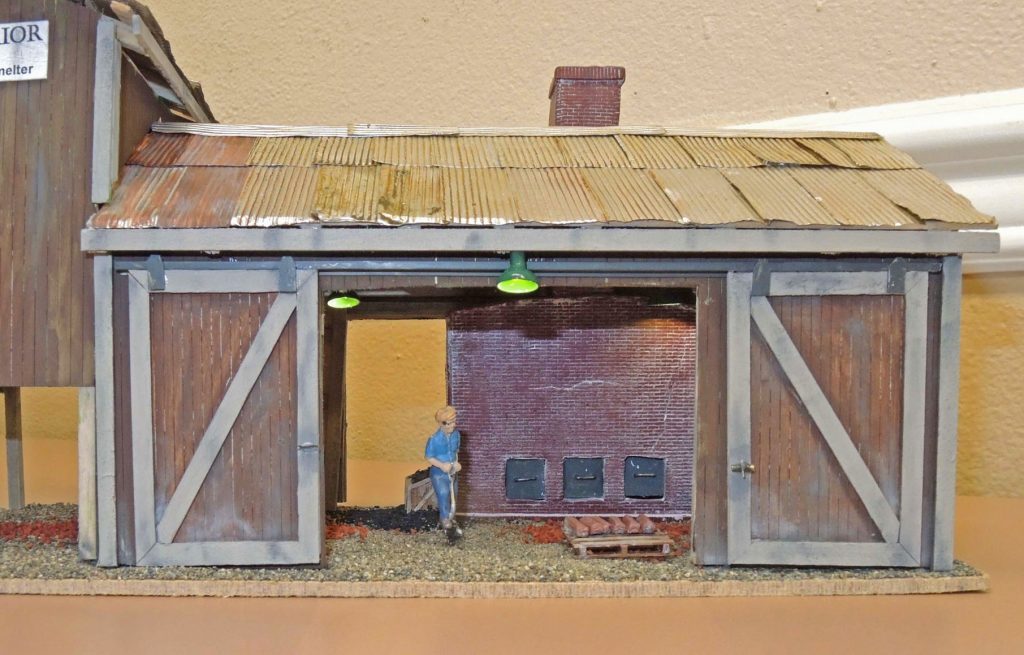
Fig 9 Cliff’s On30 Copper Smelter–See Text
Cliff has also used Quickcrete Concrete Crack Seal for creation of structural details. In Fig 9, a portion of a larger O-scale model of a copper smelter, Cliff used it to produce the furnace and chimney: beautifully done. The material accepts common acrylic craft paint—Cliff used Black Cherry to create the brick tones here. He earned a well-deserved NMRA Achievement Award for his copper smelter.
Yes, this year starts off with celebrating the 165th anniversary of the Pennsy Horseshoe Curve! At the time this was an engineering marvel and is still in operation today allowing freight to quickly move across the mountains of Pennsylvania. The meeting is held at the Northwest Railroad Archives building in Burien. The Archives location is at 425 SW 153rd Street in Burien. The meeting will be held on Saturday March 30th and starts at 12:30 PM.
Al Baker will do the honors of presenting a condensed
version of the History of the Pennsylvania Railroad from the perspective of an
Altoona native. This is the presentation
he gave at the 50th annual meeting of the PRRT&HS last year. He will also provide videos of the Horseshoe
Curve as it was when he was in high school.
This presentation was well received at the Annual meeting and should
provide a wealth of information about the Pennsylvania Railroad, the Horseshoe
Curve, and the local Altoona area.
Mike Bergman will be bringing several books to the meeting. These will all be for sale. If you want books about the PRR, NYC, EL, B&O, or LV now is the time to get them. The proceeds will go to the National Railway Historical Society.
As always, everyone is invited to attend. There is no cost to come to the meeting. The meeting goes to about 5 PM. After the meeting there is a no-host casual dinner across the street at Vince’s.
This year the Fourth Division will hold its annual Spring Meet on June 22, 2019, at Tacoma Community College. Three classrooms will host informative clinic sessions from 9–4. The 4D’s Annual Meeting will be held during lunch, and the GoldenGrab Iron winner will be revealed and new MMRs announced. And there’s even a free lunch (assuming you pay in advance).
4dSpringMeet.com will be updated with complete information about the 2019 clinic in a few days. You may also preregister there via Paypal.
One extra cost option will be the Make and Take Clinic: “The DPM KIT Done Right,” hosted by Jack Hamilton. Email Jack promptly if you’re interested. You can read more about it in the latest Train Ordersr.
June 22, 2019 9:00 a.m. – 4:00 p.m. Tacoma Community College 6501 South 19th St Tacoma, WA 98466-6100